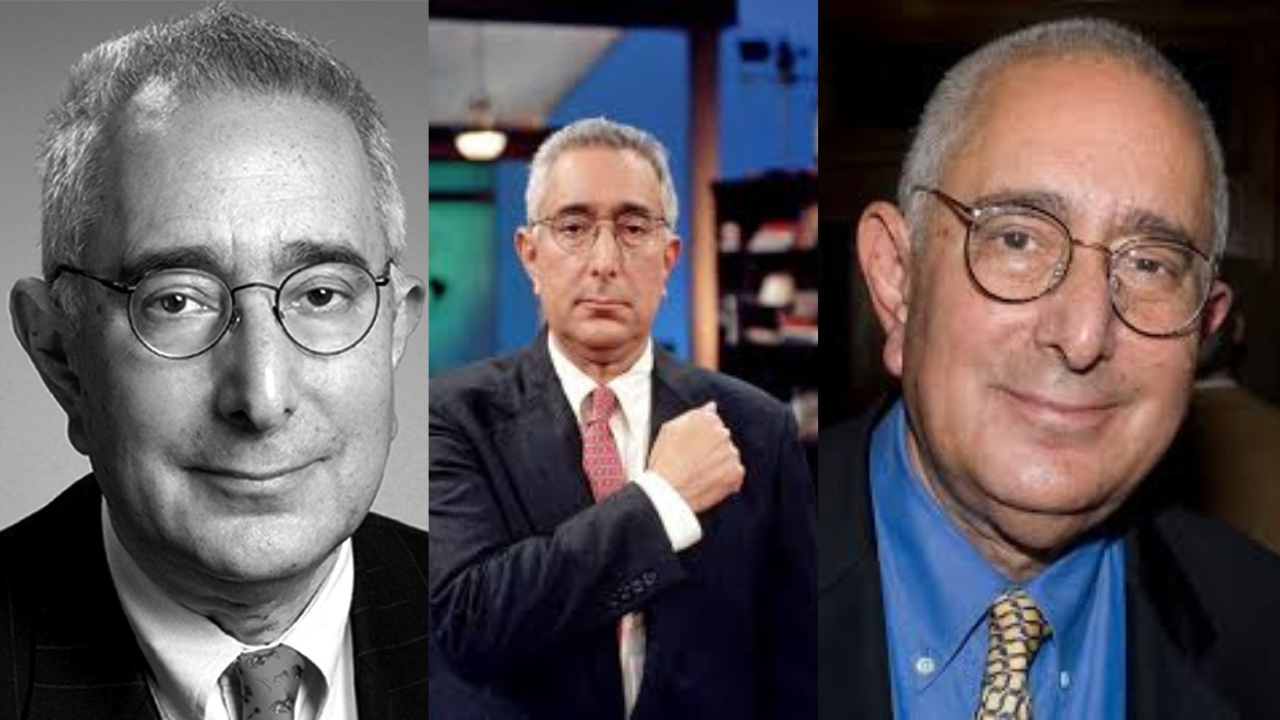
Ben Stein is one of the rare American public figures whose career cannot be placed into one simple category. He has worked as a lawyer, writer, political speechwriter, actor, economist, television host, financial commentator, and cultural personality. For many people, he is instantly remembered as the dry, expressionless economics teacher in Ferris Bueller’s Day Off. For others, he is the sharp-minded host of Win Ben Stein’s Money, a game show that mixed comedy, trivia, and intellectual competition.
But Stein’s life goes far beyond one famous movie scene. Before becoming a pop culture figure, he had already built a serious career in law, politics, writing, and economics. His background includes studies at Columbia University and Yale Law School, work connected to the Nixon and Ford administrations, years of commentary on finance and public policy, and a long list of film and television appearances. His official biography notes his Columbia economics degree, Yale Law School graduation, and work as a speechwriter for Presidents Nixon and Ford.
Ben Stein’s appeal comes from contrast. He can sound deeply serious while being funny. He can discuss economics one moment and appear in a comedy film the next. His voice, face, and delivery became part of American pop culture, yet his foundation remains rooted in education, law, and public affairs.
Early Life and Family Background
Growing Up in Washington, D.C.
Ben Stein was born on November 25, 1944, in Washington, D.C. His full name is Benjamin Jeremy Stein. He grew up in an intellectually active environment, shaped by politics, economics, and public debate. His father, Herbert Stein, was a respected economist and writer who served as a presidential adviser. This family background gave Ben Stein early exposure to the worlds of policy, economics, and government.
That early environment had a clear influence on his future. Unlike many actors who enter entertainment through theater or performance training, Stein first built his identity around ideas, law, economics, and public service. His later fame in entertainment came after he had already developed a serious professional background.
Influence of Herbert Stein
Herbert Stein’s role in economics had a major impact on Ben Stein’s intellectual life. Growing up as the son of an economist meant that public policy, markets, government decisions, and financial systems were not distant subjects. They were part of ordinary discussion.
This background helps explain why Ben Stein has often spoken and written about money, taxes, investing, and government policy. Even when he became known as a comedic figure, his public image remained connected to economics and analysis.
Education and Academic Achievement
Columbia University
Ben Stein attended Columbia University, where he studied economics. His education gave him a strong foundation in financial and political thinking. He did not simply become a commentator later in life without preparation. His academic path helped prepare him for his work in law, writing, and public policy.
Yale Law School
After Columbia, Stein attended Yale Law School, one of the most prestigious law schools in the United States. He graduated in 1970 and has been described in public biographies as having been chosen as valedictorian by his classmates.
This legal training became an important part of his professional identity. It helped him move into government work, legal writing, teaching, and public commentary. It also added credibility to his later role as someone who could explain complex subjects in a simple and memorable way.
Ben Stein’s Work in Politics
Speechwriter and Legal Counsel
Before Hollywood, Ben Stein worked in Washington politics. He served as a speechwriter and legal counsel connected with Presidents Richard Nixon and Gerald Ford. This part of his career is important because it shows that Stein was active in national public life before he became a familiar face on screen.
Speechwriting at the presidential level requires discipline, clarity, and an understanding of political language. A speechwriter must know how to shape ideas for a national audience. Stein’s later communication style, whether in books, columns, interviews, or television, reflects that background. He has always had a direct way of speaking, even when his tone is dry or humorous.
A Conservative Public Voice
Over the years, Stein became known as a conservative commentator, though his views have sometimes crossed expected political lines. He has written and spoken about taxes, markets, education, foreign policy, culture, and American politics. His commentary style is usually firm, opinionated, and direct.
Whether people agree with him or not, Stein has remained recognizable because he does not speak like a typical media personality. His slow delivery and serious tone make even ordinary comments sound distinctive.
Transition Into Entertainment
A Surprising Move to Hollywood
Ben Stein’s move into entertainment was unusual. He did not fit the traditional Hollywood mold. He was not known for dramatic acting, physical comedy, or celebrity glamour. Instead, he became famous by doing almost the opposite. His flat, monotone voice became his trademark.
This unusual style worked because it was memorable. In a world full of loud performances, Stein stood out by sounding calm, bored, and completely serious. His deadpan presence made him funny without forcing the joke.
Ferris Bueller’s Day Off
Ben Stein’s most iconic film role came in the 1986 comedy Ferris Bueller’s Day Off. He played the economics teacher who calls attendance in a slow, lifeless voice: “Bueller? Bueller?” The scene became one of the most quoted moments in American comedy.
The role was small, but it became unforgettable. Stein’s delivery captured the feeling of a dull classroom so perfectly that the scene turned into a cultural reference. Even people who have not seen the full movie often recognize the phrase.
What made the performance work was its simplicity. Stein did not need exaggerated gestures or loud jokes. His humor came from restraint. He sounded exactly like the kind of teacher students might remember from a long school day.
Win Ben Stein’s Money
A Smart Game Show With a Comic Edge
Another major chapter in Stein’s entertainment career was Win Ben Stein’s Money. The show premiered in 1997 and mixed trivia competition with comedy. The basic idea was unusual: contestants competed to win money from Stein himself, while Stein also participated as a contestant in later rounds.
The show was clever because it used Stein’s real image as an intelligent, serious public figure. Contestants were not just playing a normal trivia game. They were trying to beat Ben Stein at knowledge.
Partnership With Jimmy Kimmel
The show also became important because it featured Jimmy Kimmel as Stein’s original co-host. The contrast between Stein’s dry seriousness and Kimmel’s more playful humor helped define the program’s personality. Britannica notes that the pairing worked because Kimmel’s humor balanced Stein’s dry delivery, and the two won the Daytime Emmy Award for outstanding game-show host in 1999.
Win Ben Stein’s Money helped Stein reach a new audience. It also showed that intelligence-based television could be funny, fast, and entertaining.
Ben Stein as a Writer and Financial Commentator
Books and Columns
Ben Stein has written extensively on finance, economics, politics, and culture. He has authored or co-authored many books, including works focused on investing, personal finance, and economic thinking. His writing often reflects the same qualities that define his public personality: directness, confidence, and a willingness to give clear opinions.
His official biography describes him as a longtime columnist for major financial and news publications and as a bestselling author.
Making Finance Easier to Understand
One reason Stein became popular as a financial commentator is that he often explained money matters in plain language. Personal finance can feel intimidating to many people. Stein’s style made topics such as saving, investing, retirement, and economic policy more accessible.
He was not only speaking to economists or Wall Street professionals. He often addressed ordinary readers who wanted practical guidance. This ability to simplify complex ideas helped him maintain a long career as a public educator and commentator.
Commercial and Pop Culture Presence
Clear Eyes Commercials
Many people also know Ben Stein from his long-running work as a spokesperson for Clear Eyes eye drops. His calm, monotone delivery made the advertisements memorable. The commercials worked because they used the same style that made him famous in film and television.
In advertising, recognition matters. Stein’s voice and face were instantly identifiable, which made him a natural fit for brands that wanted a simple, memorable message.
Voice Acting and Television Appearances
Stein has also appeared in many television shows and animated projects. His voice has been used in animated series, and his deadpan style made him useful for comedy roles that needed a serious-sounding character.
His appearances include work in shows such as The Wonder Years, where he played Mr. Cantwell, and voice roles in animated programs including The Fairly OddParents. He also appeared in films such as The Mask, where his calm delivery again fit the comic tone around him.
Notable Film and TV Appearances
Ferris Bueller’s Day Off
This remains Ben Stein’s signature role. His classroom scene became a pop culture classic and turned a brief appearance into a lasting legacy.
The Wonder Years
Stein appeared as Mr. Cantwell, a science teacher whose monotone presentation fit perfectly with his established screen persona.
The Mask
In The Mask, Stein appeared as Dr. Arthur Neuman. The role added to his list of recognizable comedy appearances during the 1990s.
Win Ben Stein’s Money
This game show gave Stein one of his most successful television roles. It also earned critical recognition and became a memorable part of late-1990s and early-2000s cable television.
Expelled: No Intelligence Allowed
In 2008, Stein appeared in Expelled: No Intelligence Allowed, a documentary connected with debates about evolution, intelligent design, and academic freedom. The film was controversial and received strong criticism from many scientists and reviewers, but it remains one of the better-known projects in Stein’s later media career.
Ben Stein’s Unique Public Style
The Power of Deadpan Delivery
Ben Stein’s greatest entertainment strength is his deadpan style. He does not chase laughs in the usual way. Instead, he delivers lines with almost no visible emotion. That contrast makes the humor stronger.
His famous monotone voice became more than a performance technique. It became part of his public identity. Few entertainers are recognized so quickly by the rhythm of their speech.
Intelligence as Part of the Persona
Stein’s public image also depends on his intelligence. Audiences believe him as a teacher, economist, lawyer, or expert because those roles match his real background. His screen persona works because it is not entirely fictional. He really does have the education, experience, and intellectual presence that his characters often suggest.
Why Ben Stein Remains Memorable
Ben Stein remains memorable because his career connects many different parts of American culture. He belongs to politics, law, economics, Hollywood, television, advertising, and public commentary. Very few people have moved across all of those spaces so visibly.
His career also shows that fame does not always come from being loud or flashy. Sometimes a person becomes unforgettable by being unusually calm. Stein’s most famous moment is not an action scene or a dramatic speech. It is a teacher slowly calling attendance in a bored voice.
That is the unusual charm of Ben Stein. He made monotony entertaining.
Conclusion
Ben Stein is much more than the teacher who said “Bueller? Bueller?” He is a lawyer, writer, economist, political commentator, actor, speaker, and television personality with a career that stretches across several decades. His early work in Washington politics, strong academic background, writing on finance, and entertainment success make him one of the more unusual public figures in American media.
His most famous performances may be comedic, but his career is built on serious foundations: law, economics, political writing, and public debate. That mix of intelligence and humor is what makes him stand out.
Ben Stein’s legacy is not limited to one film, one show, or one quote. It is the story of a man who turned knowledge, dry humor, and a monotone voice into a lasting public identity.
For a concise reference, see Ben Stein’s official biography and the Britannica overview of Win Ben Stein’s Money.
FAQs About Ben Stein
Who is Ben Stein?
Ben Stein is an American writer, lawyer, actor, economist, political commentator, and television personality. He is best known for his deadpan delivery and his role as the economics teacher in Ferris Bueller’s Day Off.
When was Ben Stein born?
Ben Stein was born on November 25, 1944, in Washington, D.C.
What is Ben Stein most famous for?
He is most famous for saying “Bueller? Bueller?” as the economics teacher in Ferris Bueller’s Day Off. He is also known for hosting Win Ben Stein’s Money.
Did Ben Stein work in politics?
Yes. Before his entertainment career, Ben Stein worked as a speechwriter and legal counsel connected with Presidents Richard Nixon and Gerald Ford.
What did Ben Stein study?
He studied economics at Columbia University and later graduated from Yale Law School.
Was Ben Stein really a lawyer?
Yes. Ben Stein has a legal background and graduated from Yale Law School in 1970.
What was Win Ben Stein’s Money?
Win Ben Stein’s Money was a comedy trivia game show in which contestants competed against Stein for prize money. The show became popular for its smart format and dry humor.