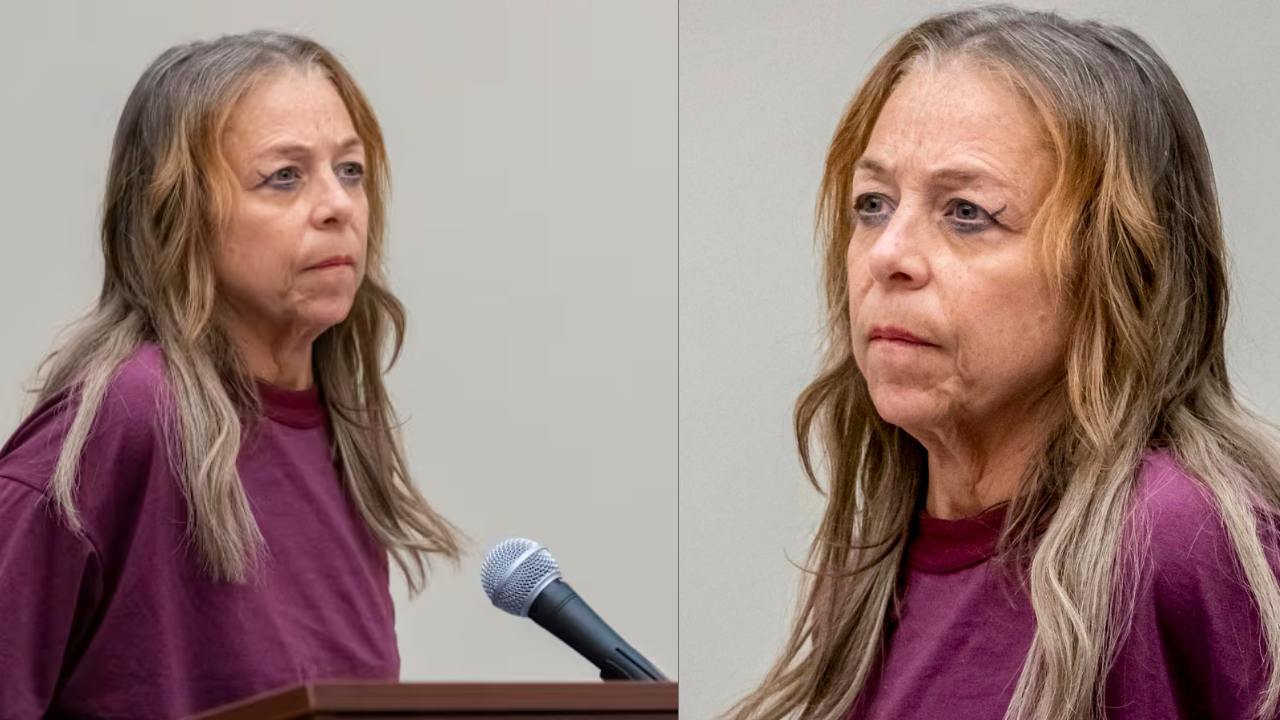
Who Is Kimberly Sullivan?
Kimberly Sullivan is a Connecticut woman who became the subject of national attention after authorities accused her of keeping her stepson confined for more than two decades inside a home in Waterbury. The case shocked the public because of the length of the alleged captivity, the condition of the victim when he was found, and the disturbing details included in police and court records.
Sullivan has denied the allegations. Her defense has argued that the public should remember the case is still based on accusations, not a conviction. That distinction is important. While prosecutors have described the case as one of extreme abuse and neglect, Sullivan has pleaded not guilty and is entitled to the presumption of innocence.
The case began publicly after a house fire in February 2025. According to police accounts, Sullivan’s stepson intentionally started the fire in an effort to escape and bring first responders to the home. When emergency crews arrived, they found a severely malnourished 32-year-old man who said he had been held captive for years. Police later arrested Sullivan and charged her with serious crimes, including kidnapping, assault, cruelty, unlawful restraint, and reckless endangerment.
Quick Info
| Detail | Information |
|---|---|
| Full name | Kimberly Sullivan |
| Age | Reported as 57 during 2026 court proceedings |
| Location | Waterbury, Connecticut |
| Known for | Being accused of holding her stepson captive for more than 20 years |
| Alleged victim | Her adult stepson, identified publicly only as “S” |
| Case discovered | February 17, 2025 |
| Arrest date | March 12, 2025 |
| Plea | Not guilty |
| Bond | $300,000 |
| Court status | Charges were upgraded in March 2026 |
| Important note | Sullivan denies the accusations, and the case remains a criminal allegation unless proven in court |
How the Case Was Discovered
The February 2025 Fire
The situation came to light on February 17, 2025, when a fire broke out at the Waterbury home. Investigators said the victim started the fire using items such as hand sanitizer, paper, and a lighter. According to police, he later said he did it because he wanted freedom.
This detail became one of the most widely reported parts of the case. It suggested that the fire was not random but a desperate attempt to alert outsiders. First responders arrived at the home, rescued the man, and began asking questions about his condition and living situation.
The man was reportedly 32 years old at the time. Police and news reports said he was extremely underweight and in poor physical condition when found. Later accounts described him as weighing about 68 or 69 pounds, with signs of long-term neglect.
Condition of the Victim
The victim’s condition became central to the investigation. Authorities alleged that he had been deprived of regular food, medical care, dental care, hygiene, and normal human contact for many years. Reports said he was trembling, severely malnourished, and suffering from visible signs of neglect.
The case also raised questions about how someone could allegedly remain hidden in a suburban home for so long. Neighbors, schools, child protection systems, and family members all became part of public discussion as people tried to understand how the alleged confinement could have lasted for decades.
Because the victim has chosen privacy, he has been publicly identified mainly as “S.” This protects his identity while allowing the legal case to proceed. Court reporting has also noted that he remained hospitalized during later proceedings, although his exact location was not publicly known.
The Allegations Against Kimberly Sullivan
Claims of Long-Term Confinement
Prosecutors allege that Sullivan kept her stepson isolated in a small room for much of his life. According to the allegations, the confinement began when he was a child and continued into adulthood. Some reports state that he was allowed out only briefly for limited tasks.
The state’s claims describe a pattern of control, isolation, and deprivation. Prosecutors have alleged that he was given very little food and water, sometimes described as only a small daily amount. Reports also stated that he was forced to manage waste in bottles or other makeshift ways because he did not have normal access to a bathroom.
These are allegations, and Sullivan’s defense disputes them. Still, the details led prosecutors to pursue serious charges and later upgrade the kidnapping counts.
Medical and Dental Neglect
Another major part of the case involves alleged medical and dental neglect. Police said the victim reported that he had not received proper medical or dental care for many years. When he was rescued, authorities described his physical condition as alarming.
In cases like this, medical evidence can become extremely important. Doctors’ records, photographs, examinations, and expert testimony may help the court understand how long the neglect lasted, what caused the injuries or conditions, and whether the evidence supports the prosecution’s timeline.
In March 2026, a judge ruled that the victim’s medical records would be unsealed and provided to both legal teams. That development suggested that medical evidence would likely play a major role as the case moved closer to trial preparation.
Kimberly Sullivan’s Arrest and Initial Charges
Kimberly Sullivan was arrested on March 12, 2025, after investigators reviewed the victim’s statements, the condition of the home, and other evidence. She was initially charged with first-degree assault, second-degree kidnapping, unlawful restraint, cruelty to persons, and reckless endangerment.
The charges reflected both the alleged confinement and the physical harm prosecutors believe the victim suffered. Kidnapping and assault charges are especially serious because they can carry severe penalties if a defendant is convicted.
Sullivan was later released after posting a $300,000 bond. A judge also ordered GPS monitoring as part of her release conditions, while denying a request to place her under house arrest. She entered a not guilty plea and remained free while the case continued.
The Defense Position
Sullivan Denies the Accusations
Sullivan’s defense has strongly denied the allegations. Her attorneys have said she is not the person described in public reports and that the facts presented at trial will tell a different story.
One of the defense arguments has been that the late father of the victim, who died in 2024, had a major role in the household and in the victim’s upbringing. The defense has attempted to shift attention toward him, arguing that Sullivan should not be treated as solely responsible for what prosecutors allege happened inside the home.
The defense has also objected to what it sees as public judgment before trial. In a case this emotional, that issue matters. Public reaction can be intense, but courts must decide guilt based on evidence, not headlines.
Presumption of Innocence
Because Sullivan has pleaded not guilty, the case must be treated as unresolved. The allegations are serious, but they are still allegations. Prosecutors must prove the charges in court.
This is why careful language matters. Sullivan is accused of holding her stepson captive. She has not been convicted of that accusation. A fair account must include both the prosecution’s claims and the defense’s denial.
Charges Upgraded in 2026
In March 2026, the state upgraded the case by replacing a second-degree kidnapping charge with two counts of first-degree kidnapping. Reports from the court proceeding said the remaining charges, including first-degree assault, unlawful restraint, cruelty to persons, and reckless endangerment, remained in place.
First-degree kidnapping is a more severe charge than second-degree kidnapping. It can carry a lengthy mandatory prison sentence if a defendant is convicted. The upgrade showed that prosecutors were continuing to pursue the case aggressively as both sides prepared for the next stages of litigation.
Why the Case Drew National Attention
The Length of the Alleged Captivity
Many criminal cases involve abuse or neglect, but this case stood out because of the alleged timeline. Prosecutors say the victim was confined for more than 20 years. That time span shocked the public and raised difficult questions about how many systems may have missed warning signs.
If the allegations are proven, the case would represent not only a household tragedy but also a broader failure of oversight. Reports have noted that there were concerns years earlier when the victim disappeared from normal school life. That part of the case has led to discussion about schools, child welfare agencies, and the responsibility to follow up when children vanish from public view.
The Victim’s Physical Condition
The victim’s condition when rescued was another reason the case received attention. A 5-foot-9 adult male weighing around 68 or 69 pounds is an extreme situation. Reports of malnutrition, poor hygiene, and untreated medical issues made the allegations especially disturbing.
The case also resonated because the victim was not found through a routine welfare check. He was found because he allegedly created an emergency to escape. That fact made the story feel even more urgent and tragic.
Broader Questions Raised by the Case
How Can Long-Term Abuse Stay Hidden?
One of the biggest questions is how alleged abuse could continue inside a home for so long without intervention. In many cases of hidden abuse, victims are isolated from schools, doctors, neighbors, extended family, and community life. Once that isolation becomes normal, outsiders may stop asking questions.
This case may eventually lead to deeper reviews of how agencies respond when a child is removed from school or disappears from public systems. It also highlights the importance of welfare checks, school attendance monitoring, and follow-up when warning signs appear.
The Role of Evidence at Trial
The trial process will likely focus on medical records, police evidence, witness statements, the condition of the home, the victim’s testimony if he is able to provide it, and the defense’s argument about who controlled the household.
For prosecutors, the challenge will be proving not only that the victim suffered severe harm, but that Sullivan committed the charged crimes. For the defense, the goal will be to challenge the state’s timeline, responsibility claims, and interpretation of the evidence.
Current Status of the Case
As of the latest reported court developments in March 2026, Kimberly Sullivan remained free on bond while facing upgraded kidnapping charges and other serious counts. Both sides were moving toward further legal proceedings, including review of medical records and possible plea discussions.
The case has not reached a final verdict. Sullivan continues to deny the accusations, while prosecutors continue to pursue the charges.
Conclusion
The Kimberly Sullivan case is one of the most disturbing criminal cases to emerge from Connecticut in recent years. Authorities allege that her stepson was held captive for more than 20 years, deprived of food, medical care, freedom, and normal human contact. The case came to light only after he allegedly set fire to his room in an attempt to escape.
At the same time, it remains an active legal matter. Sullivan has pleaded not guilty and denies the allegations. Her defense maintains that the public should not treat accusations as proven facts before trial.
The case is important not only because of the allegations against one person, but also because it raises wider questions about child welfare, family isolation, missed warning signs, and how vulnerable people can disappear from public life. Whatever the final outcome, the case has already forced many people to confront how abuse can remain hidden for years when systems fail to see or act.
FAQs About Kimberly Sullivan
Who is Kimberly Sullivan?
Kimberly Sullivan is a Connecticut woman accused of holding her stepson captive for more than 20 years inside a Waterbury home. She has denied the allegations and pleaded not guilty.
How old is Kimberly Sullivan?
She was reported as 57 years old during court proceedings in 2026.
What is Kimberly Sullivan accused of?
She is accused of kidnapping, assault, unlawful restraint, cruelty to persons, and reckless endangerment connected to the alleged long-term confinement and neglect of her stepson.
How was the case discovered?
The case was discovered after her stepson allegedly set fire to his room on February 17, 2025, in an attempt to escape and bring first responders to the home.
What condition was the victim in when found?
Reports said the victim was severely malnourished, extremely underweight, and suffering from signs of long-term neglect when first responders rescued him.
Did Kimberly Sullivan plead guilty?
No. Kimberly Sullivan pleaded not guilty and has denied the accusations.