Introduction to Žižole
Understanding the Regional Fruit
Žižole, representing South Slavic regional designation for jujube fruit (scientific name Ziziphus jujuba), represents important traditional food within Mediterranean and Central European cultures. The fruit, known internationally as Chinese date, red date, or jujube, carries deep cultural significance within Slovenian, Croatian, and broader South Slavic communities where it has been cultivated and consumed for generations. Understanding žižole requires appreciating both its botanical characteristics and its cultural, culinary, and medicinal significance within regions where it thrives.
Ancient Cultivation Heritage
Žižole possess remarkable cultivation history spanning over 4,000 years in native South Asian and Chinese regions. This extraordinarily long cultivation period reflects fruit’s value, adaptability, and cultural importance across millennia. The fruit’s survival and continued cultivation despite changing agricultural practices, climate variations, and cultural shifts demonstrates resilience and enduring utility. This ancient heritage connects contemporary consumption of žižole to profound human agricultural history and cross-cultural exchange.
Bridge Between East and West
Žižole represents fascinating bridge between Asian agricultural heritage and Mediterranean/European cultivation. Originating in South Asia and China, jujube cultivation expanded westward through trade routes, cultural exchange, and agricultural adaptation. The fruit’s successful cultivation in Mediterranean regions like Slovenian Littoral and Istria demonstrates botanical adaptability and human capacity to introduce and successfully cultivate crops across diverse geographic and climatic contexts. This geographic expansion made fruit available to South Slavic populations who integrated it into local culinary and medicinal traditions.
Lesser-Known Superfruit
Despite possessing impressive nutritional profile and health benefits, žižole remains relatively obscure in global consciousness compared to other fruits receiving greater marketing attention and commercial promotion. The fruit represents underappreciated superfruit containing exceptional vitamin C content, diverse minerals, and traditionally recognized medicinal properties. Increased awareness regarding žižole’s nutritional and health benefits could expand consumption and agricultural cultivation beyond current regional concentrations.
Botanical Characteristics and Physical Description
Scientific Classification and Plant Family
Žižole (Ziziphus jujuba) belongs to Rhamnaceae family, which includes various shrubs and small trees producing edible fruits. The botanical classification situates jujube within broader plant family sharing certain characteristics while possessing distinctive features differentiating it from related species. Understanding botanical classification provides context for comprehending fruit’s growth patterns, cultivation requirements, and relationship to other cultivated plants.
Growth Pattern and Cultivation
Jujube trees thrive in Mediterranean climates and warm temperate regions, making regions like Slovenian Littoral, Istria, and broader Mediterranean basin ideal for cultivation. The trees adapt well to varied soil conditions and demonstrate relatively good drought tolerance once established. These characteristics made jujube cultivation sustainable in Mediterranean agricultural contexts where water availability and soil conditions presented challenges for other crops. The tree’s adaptability contributed to its historical spread and continued cultivation.
Fruit Appearance and Size Characteristics
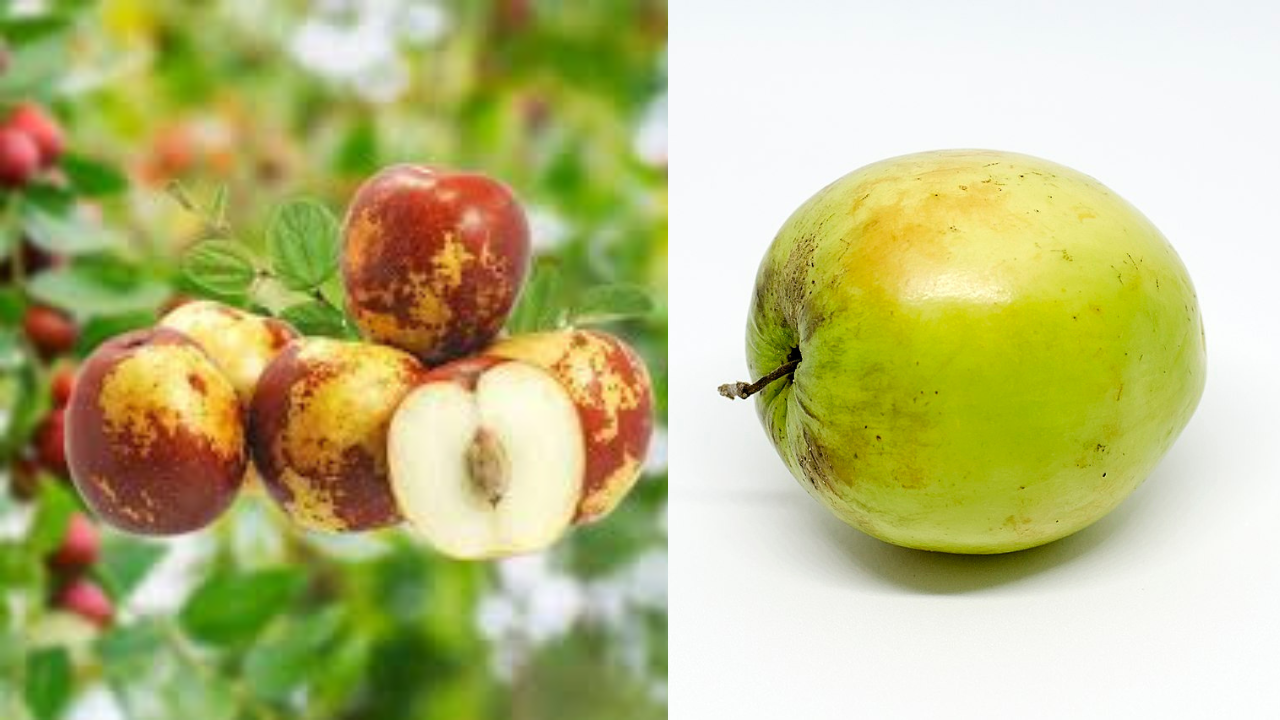
Žižole fruit presents distinctive visual progression that observers can readily identify:
Light Green Stage: Fresh young fruits appear smooth-skinned, light green in color, with size and shape reminiscent of olives. The similarity to olives provides helpful visual reference for those unfamiliar with jujube fruits.
Yellowish-Red Stage: As fruits mature, skin transitions to shiny yellowish-red coloration, indicating advancing ripeness and increased sugar development. The glossy appearance and warm coloration make fruits visually appealing at this intermediate ripeness stage.
Deep Brown Wrinkled Stage: Fully mature fruits develop deep wrinkled brown appearance, occurring in late autumn during September to October ripening season. The wrinkled texture, characteristic of fully mature fruit, indicates maximum sugar concentration and flavor development. The appearance at this stage bears striking resemblance to traditional dates.
Texture Transformation Through Ripeness
The textural characteristics of žižole change dramatically as fruit ripens:
Fresh Green Stage: Crisp, spongy flesh characterizes fresh, less-ripe fruits. The texture provides pleasant eating experience for those preferring firmer fruit structure. The crispness relates to higher moisture content in less-mature fruits.
Ripe and Dried Stage: Wrinkled, chewy texture develops as fruits fully ripen and particularly as they dry. The texture transformation—from crisp to chewy—reflects loss of water and concentration of remaining constituents. The final texture closely resembles traditional dates in both appearance and eating experience.
Size Comparison and Recognizable Reference Points
Žižole’s size—similar to olives—provides helpful reference for those unfamiliar with fruit. This size characterization enables mental image formation and realistic expectations regarding portion sizes and consumption quantities. The olive-like size makes fruit easily consumed in single bites yet substantial enough for meaningful nutritional contribution when consumed in reasonable quantities.
Flavor Profiles and Taste Characteristics
Fresh Fruit Flavor Profile
Fresh žižole exhibits mild, sweet-and-sour flavor profile that observers frequently describe as resembling apples. The flavor combination—balancing sweetness with acidity—creates pleasant taste suitable for fresh consumption and providing moderate stimulation without overwhelming intensity. The apple-like comparison provides helpful flavor reference for those unfamiliar with jujube taste. The mild character of fresh fruit makes it accessible to diverse palates without requiring preference for intensely sweet or sour flavors.
Ripened and Dried Fruit Flavor Profile
As žižole matures and particularly when dried, flavor profile transforms dramatically:
Sweetness Intensification: Ripening and drying concentrate sugars, resulting in dramatically increased sweetness. The sugar concentration that seemed mild in fresh fruit becomes prominent and pronounced when fruit fully ripens or dries. This sweetness intensification makes dried žižole suitable for those preferring sweeter fruits and creating natural confections without added sugars.
Date-Like Characteristics: Fully ripe or dried žižole closely resembles traditional dates in both flavor and texture. The resemblance extends beyond superficial similarity—the deep, complex sweetness, chewy texture, and dried fruit character create genuine date-like eating experience. This characteristic makes dried žižole suitable substitution for traditional dates in culinary applications and appealing to those enjoying date flavors.
Flavor Development Through Maturation
The flavor evolution from green to ripe represents fascinating progression reflecting biochemical changes accompanying fruit maturation. Ripening triggers numerous chemical transformations—sugars develop and concentrate, acids decrease or transform, volatile compounds responsible for aromatic character emerge. Understanding this progression helps explain why picking fruit at different maturity stages produces dramatically different eating experiences.
Culinary Implications of Flavor Profiles
The distinct flavor profiles at different ripeness stages suggest diverse culinary applications:
Fresh, Green Fruit: Mild flavor suits fresh consumption, fruit salads, and applications where subtle sweetness and apple-like character enhance other ingredients without overwhelming them.
Ripe and Dried Fruit: Intensified sweetness and date-like character suit direct consumption, natural sweetening in recipes, tea preparation, and applications valuing concentrated sweetness and chewy texture.
Nutritional Profile and Health Benefits
Exceptional Vitamin C Content
Žižole demonstrates exceptional vitamin C concentration of approximately 70 mg per 100 grams, representing significantly higher content than commonly cited citrus fruits:
Comparison to Citrus: Average lemon contains approximately 53 mg vitamin C per 100 grams, while average orange contains approximately 53 mg per 100 grams. Žižole’s 70 mg content exceeds both common citrus fruits, making it superior vitamin C source despite less frequent consumption and lower market awareness.
Immune System Support: Vitamin C plays crucial role in immune function, supporting white blood cell production and activity. The exceptional vitamin C content makes žižole particularly valuable during seasons when illness increases, supporting natural immune enhancement through dietary means.
Antioxidant Protection: Beyond immune function, vitamin C serves as powerful antioxidant protecting cells from oxidative damage. The high concentration contributes to fruit’s traditional reputation as immune-boosting superfood.
Mineral Content and Nutritional Diversity
Beyond vitamin C, žižole provides significant mineral content including:
Potassium: Essential mineral supporting heart function, blood pressure regulation, and fluid balance. High potassium content makes žižole valuable for cardiovascular health support.
Iron: Important mineral supporting oxygen transport and energy production. Iron content contributes to fruit’s value for individuals concerned with iron intake adequacy.
B Vitamins: Various B vitamins support energy metabolism and nervous system function. The presence of B vitamin complex makes žižole nutritionally more complete than fruits emphasizing single nutrients.
Overall Nutritional Density
The combination of exceptional vitamin C, substantial mineral content, and balanced nutritional profile positions žižole as nutrient-dense superfood. Rather than emphasizing single nutrient, žižole provides diverse nutritional benefits supporting multiple body systems and health dimensions.
Seasonal Superfood Significance
Žižole’s seasonal availability—ripening in autumn (September-October)—positions fruit as important seasonal superfood. The timing coincides with traditional transition toward colder months when immune support becomes increasingly valuable. Traditional cultures often developed foods and practices supporting seasonal health transitions—žižole consumption during ripening season represents such traditional wisdom supported by contemporary nutritional science.
Traditional and Contemporary Medicinal Uses
Immune System Support
Traditional folk medicine in regions where žižole grows commonly employs fruit for immune system enhancement. The exceptional vitamin C content, combined with additional nutrients and bioactive compounds, provides scientific basis supporting traditional practice. Whether consumed fresh or prepared as tea, žižole consumption during illness or in anticipation of illness addresses traditional immune support applications.
Digestive Health and Acid Reflux Relief
Žižole features in traditional medicinal practices addressing digestive complaints and acid reflux. The fruit’s traditionally recognized digestive benefits reflect both specific compounds and overall nutritional profile supporting digestive function. Contemporary understanding of how vitamin C, minerals, and other compounds support digestive health provides scientific framework explaining traditional observations regarding digestive benefits.
Sleep and Relaxation Support
Traditional use of žižole as natural sleep aid and relaxation support reflects beliefs regarding fruit’s calming properties. While specific mechanisms remain subjects for further research, mineral content—particularly magnesium and potassium—supports nervous system function and relaxation. Additionally, various bioactive compounds in fruit may contribute to relaxation effects.
Herbal Tea Preparation
Traditional preparation method involves boiling dried žižole fruit in water to create soothing herbal tea. This preparation method represents common approach in traditional medicine for extracting beneficial compounds from fruits and herbs. The warm, comforting nature of herbal tea consumption provides both physiological and psychological relaxation benefits. The traditional preparation method remains valid contemporary practice for those seeking medicinal benefits.
Traditional Knowledge Validation
Contemporary scientific investigation increasingly validates traditional medicinal uses, identifying specific compounds responsible for observed benefits. While not all traditional claims achieve complete scientific validation, the exceptional nutritional profile and bioactive compound content provide plausible mechanisms explaining traditional observations regarding health benefits.
Modern Research and Clinical Interest
Emerging scientific research increasingly examines jujube’s potential health benefits, investigating mechanisms underlying traditional uses and exploring applications for contemporary health concerns. Research examining impacts on immune function, digestive health, sleep quality, and other dimensions helps bridge traditional knowledge and contemporary scientific understanding.
Culinary Applications and Food Uses
Fresh Fruit Consumption
Direct consumption of fresh žižole—eating fruit as-is without preparation—represents primary culinary use, particularly during ripening season when fruits are available. The mild flavor and apple-like character make fresh fruit suitable for direct eating without requiring processing or preparation. Fresh consumption preserves maximum nutritional content and delivers clean fruit flavor.
Dried Fruit Usage
Drying represents traditional preservation method extending žižole availability beyond ripening season. Dried fruit concentrates flavors, develops date-like characteristics, and provides shelf-stable form suitable for storage and year-round consumption. Dried žižole substitutes for traditional dates in recipes, provides natural sweetness in preparations, and offers convenient portable snack.
Herbal Tea Preparation
Brewing dried fruit in hot water creates soothing herbal tea combining medicinal properties with pleasant flavor. The traditional preparation method represents practical approach to delivering fruit’s beneficial compounds in consumable form. Tea consumption provides warmth and comfort alongside health benefits, making preparation suitable for seasonal consumption and illness support.
Compote and Preserve Production
Traditional approaches likely include producing compotes, jams, and preserves concentrating fruit flavors while creating shelf-stable products. These preparations capitalize on fruit’s sweetness while providing extended storage and convenient utilization of harvest.
Contemporary Culinary Integration
Modern chefs increasingly experiment with jujube/žižole in contemporary cuisine, incorporating fruit in desserts, savory preparations, beverages, and innovative applications. Contemporary culinary interest recognizes fruit’s unique flavor profile and nutritional benefits, positioning it beyond traditional applications toward broader culinary possibilities.
Culinary Versatility
The flavor progression from mild apple-like character to intense date-like sweetness enables versatile culinary applications depending on fruit ripeness stage employed. This versatility—combined with nutritional benefits and historical significance—positions žižole as valuable ingredient for contemporary cooking.
Cultural Significance and Regional Importance
South Slavic Heritage and Identity
Žižole carries significant cultural importance within South Slavic communities—particularly Slovenian and Croatian cultures—where fruit has been traditionally cultivated and consumed for generations. The regional name—žižole/žižule—reflects linguistic and cultural specificity, indicating fruit’s integration into regional identity and cultural practices. The fruit represents connection to ancestral agricultural traditions and regional food heritage.
Mediterranean Agricultural Heritage
The successful cultivation of žižole in Mediterranean regions like Slovenian Littoral and Istria represents integration of Asian agricultural heritage into Mediterranean agricultural systems. The cultivation represents centuries of human agricultural adaptation, demonstrating how crops successfully transfer across vast geographic distances through agricultural learning and environmental matching. The fruit’s presence in Mediterranean cultivation reflects successful cross-cultural agricultural exchange.
Seasonal and Festive Significance
In regions where žižole grows traditionally, fruit’s autumn ripening season (September-October) likely carried festive or ceremonial significance. Seasonal foods often achieved importance through connection to particular seasons, holidays, or cultural practices. The fruit’s ripening during transition toward winter may have held particular significance in traditional agricultural and cultural calendars.
Food Sovereignty and Local Food Systems
Žižole represents local food system component within regions of cultivation, providing seasonally available nutrition supporting local populations. The fruit’s continued cultivation and consumption represents commitment to local and regional food systems maintaining agricultural diversity and cultural food traditions.
Contemporary Interest and Revival
Contemporary interest in traditional foods, local agriculture, and health-conscious eating has sparked renewed attention to žižole and other traditional regional fruits. Food heritage movements, slow food initiatives, and interest in nutritious traditional foods have contributed to increased awareness and potential cultivation revival in regions where fruit cultivation declined.
Growing Regions and Geographic Distribution
Primary Mediterranean Cultivation Areas
Žižole cultivation concentrates in Mediterranean regions where climate and conditions suit jujube growth:
Slovenian Littoral (Primorska): This Slovenian coastal region represents major žižole cultivation area, with Mediterranean climate and appropriate soil conditions supporting productive orchards.
Istria: The Istrian peninsula—shared between Slovenia, Croatia, and Italy—represents significant jujube cultivation region with Mediterranean characteristics and historical fruit cultivation traditions.
Broader Mediterranean Basin: Beyond Slovenian and Croatian focus, jujube cultivation extends throughout Mediterranean regions wherever climate proves suitable.
Asian Cultivation Concentration
Jujube’s highest cultivation concentrations remain in native South Asian and Chinese regions where fruit originated and achieved maximum agricultural and cultural integration. China particularly maintains extensive jujube cultivation and consumption traditions.
Climate Requirements and Geographic Suitability
Jujube thrives in warm temperate and Mediterranean climates with adequate warmth for fruit development and ripening. The fruit’s cultivation success in Mediterranean regions reflects appropriate climate matching. Geographic expansion remains limited by climate requirements—regions lacking sufficient warmth struggle to successfully cultivate productive jujube orchards.
Historical Spread and Contemporary Distribution
The fruit’s geographic distribution reflects historical trade routes, cultural exchange, and deliberate agricultural introduction. As humans traveled and exchanged agricultural knowledge, jujube cultivation expanded from native regions. Contemporary cultivation reflects combination of historical patterns and contemporary agricultural decisions.
Frequently Asked Questions About Žižole
What is žižole?
Žižole (or žižule) represents South Slavic regional name for jujube fruit (Ziziphus jujuba), commonly called Chinese date, red date, or jujube in English. The small fruit resembles olives in size and shape and progresses from light green to yellowish-red to deep wrinkled brown during ripening.
Where does žižole originate?
Žižole originates in South Asia and China, where cultivation extends back over 4,000 years. The fruit’s cultivation in these regions represents one of world’s longest continuous fruit cultivation traditions. From native regions, jujube cultivation expanded westward through trade and agricultural exchange.
Where does žižole grow?
Žižole grows successfully in Mediterranean regions including Slovenian Littoral (Primorska), Istria, and broader Mediterranean areas. The fruit also continues cultivation in native Asian regions, particularly China. Contemporary cultivation concentrates in regions with Mediterranean or warm temperate climates.
When is žižole harvesting season?
Žižole reaches ripeness during late autumn, with harvesting occurring in September and October. The seasonal availability positions fruit as autumn superfood supporting transition toward winter months.
What does žižole taste like?
Fresh žižole tastes mild, sweet-and-sour with apple-like character. As fruit ripens or dries, flavor becomes increasingly sweet and date-like. The flavor progression from mild apple-like freshness to intense date-like sweetness represents significant change reflecting ripeness advancement.
How much vitamin C does žižole contain?
Žižole contains approximately 70 mg of vitamin C per 100 grams, exceeding common citrus fruits including lemons and oranges. This exceptional vitamin C content positions žižole as superior source compared to fruits receiving greater market attention and promotion.
What are žižole’s health benefits?
Žižole provides exceptional vitamin C, high potassium, significant iron, and B vitamins. Traditional uses address immune support, digestive health, acid reflux relief, and sleep support. The nutritional density and bioactive compounds support multiple health dimensions.
How do you prepare žižole tea?
Žižole tea is prepared by boiling dried fruit in water, creating soothing herbal infusion. The traditional preparation method extracts beneficial compounds while creating pleasant-tasting, warming beverage suitable for medicinal and comfort purposes.
Is žižole the same as jujube?
Yes, žižole represents South Slavic regional designation for fruit botanically known as jujube (Ziziphus jujuba). International names include Chinese date, red date, or jujube. Different regions employ different names for same fruit reflecting linguistic and cultural variations.
Can you eat fresh žižole?
Yes, fresh žižole is commonly consumed directly, particularly during ripening season. The mild flavor and crisp texture make fresh fruit suitable for direct eating without preparation. The fruit’s pleasant taste fresh from tree makes direct consumption primary utilization.
How do you dry žižole?
Žižole can be dried through sun drying or other traditional drying methods similar to other dried fruits. Drying concentrates flavors and creates shelf-stable product extending availability beyond ripening season. Dried fruit develops date-like character and chewy texture.
Is žižole suitable for people with acid reflux?
Traditional medicine frequently employs žižole for acid reflux relief, suggesting fruit may support digestive health. However, individuals with acid reflux should exercise caution, as individual responses vary. Consulting healthcare providers regarding incorporation into personal health management proves advisable.
What minerals does žižole contain?
Žižole contains substantial potassium supporting heart function and blood pressure, significant iron supporting oxygen transport, and various B vitamins supporting energy metabolism and nervous system function.
How does žižole compare nutritionally to dates?
While specific nutritional comparison requires detailed analysis, žižole and dates share similarities—both contain concentrated sugars when dried, both provide minerals and nutrients, both achieve date-like character when fully ripe. However, fresh žižole’s higher vitamin C content distinguishes it from traditional dates nutritionally.
Is žižole widely available commercially?
Žižole remains relatively obscure in global commerce despite nutritional value and health benefits. Availability concentrates in regions of traditional cultivation, particularly Mediterranean areas and South Slavic countries. International commercial availability remains limited compared to mainstream fruits.
Can žižole be used in baking?
Dried žižole likely serves similar functions to dates in baking and confectionery applications, providing natural sweetness and moisture. Contemporary culinary experimentation likely includes žižole incorporation in baked goods and desserts.
What is the difference between fresh and dried žižole?
Fresh žižole exhibits mild apple-like flavor, crisp texture, and maximum vitamin C retention. Dried žižole develops concentrated date-like sweetness, chewy texture, and extended shelf stability. Selection depends on culinary application and desired characteristics.
Does žižole have a season for consumption?
Yes, fresh žižole availability concentrates in autumn (September-October) during ripening season. However, dried fruit extends availability year-round for those seeking summer consumption or regions distant from cultivation areas. Seasonal availability reflects natural agricultural rhythms.
Is žižole suitable for children?
Žižole represents nutritious food suitable for children, providing exceptional vitamin C, minerals, and pleasant taste. The mild flavor of fresh fruit appeals to young palates, while nutrient density supports growing children’s nutritional needs. As with all foods, age-appropriate portion sizes apply.
How long does dried žižole last?
Properly stored dried žižole maintains viability for extended periods—potentially months to years—depending on storage conditions, humidity, and container type. Cool, dry storage conditions preserve dried fruit quality and prevent spoilage.
Seasonal Health and Traditional Wisdom
Autumn Abundance and Seasonal Nutrition
Žižole’s ripening during autumn transition reflects natural agricultural abundance aligning with seasonal health needs. Traditional cultures recognized that foods naturally available during particular seasons often provided nutritional support addressing seasonal challenges. Žižole’s autumn availability—accompanied by exceptional vitamin C and immune-supporting nutrients—aligns with traditional wisdom regarding autumn health transitions.
Connection to Agricultural Cycles
The fruit’s seasonal availability maintains human connection to agricultural cycles and natural rhythms. This connection represents counterpoint to contemporary food systems providing unlimited access to year-round produce, potentially disconnecting consumers from natural seasonal variations. Traditional consumption patterns honoring seasonal availability represent valuable approach to eating aligned with natural cycles.
Preservation and Storage Traditions
Traditional drying methods preserved žižole abundance during ripening season, extending availability beyond natural ripening period. This preservation reflected practical necessity and cultural knowledge regarding food security and storage. Contemporary access to dried žižole continues traditional patterns while enabling consumption regardless of geographic location or season.
Winter Health Support
Dried žižole’s winter availability through preserved forms provided nutritional support during seasons when fresh produce became scarce. The concentrated nutrients in dried form—particularly vitamin C and minerals—supported winter health when fresh food availability declined. This pattern represents traditional food wisdom supporting seasonal health transitions.
Contemporary Interest and Future Potential
Superfruit Recognition Movement
Growing contemporary interest in traditional foods, nutritional density, and health-conscious eating has sparked recognition of žižole as underappreciated superfruit. Marketing and nutritional analysis increasingly highlight fruits previously overlooked in commercial markets, positioning žižole for potential expanded cultivation and consumption.
Sustainable Agriculture and Local Food Systems
Interest in sustainable agriculture, local food systems, and agricultural biodiversity has revived attention to traditional crops like žižole. The fruit’s proven adaptation to Mediterranean climates, minimal input requirements, and nutritional value position it as valuable component of sustainable agricultural systems.
Climate Change Adaptation Potential
As climate patterns shift, jujube’s heat tolerance and Mediterranean climate suitability may position it as increasingly valuable crop in regions experiencing warming trends. Agricultural adaptation to changing climate may increase jujube cultivation in regions previously unsuitable.
Commercial Potential and Market Expansion
Contemporary commercial interest in traditional foods, exotic fruits, and health-supporting nutritional products creates potential for expanded žižole cultivation and market distribution. Increased awareness and consumer demand could expand commercial availability beyond current regional concentrations.
Culinary Innovation and Modern Applications
Contemporary chefs and food innovators increasingly experiment with traditional ingredients like žižole, creating modern applications while respecting traditional significance. This contemporary culinary interest may expand žižole’s culinary applications and cultural relevance.
Conclusion
Žižole (also spelled žižule) represents South Slavic regional designation for jujube fruit (Ziziphus jujuba)—an ancient fruit with over 4,000 years of cultivation history originating in South Asia and China. The small olive-like fruit progresses from light green through yellowish-red to deep wrinkled brown during autumn ripening season (September-October), developing from mild apple-like flavor to concentrated date-like sweetness.
Žižole possesses exceptional nutritional profile featuring approximately 70 mg of vitamin C per 100 grams—exceeding common citrus fruits—alongside substantial potassium, iron, and B vitamins. Traditional medicinal applications address immune support, digestive health, acid reflux relief, and sleep support, with herbal tea preparation representing common traditional usage method. The nutritional density and bioactive compounds provide scientific basis for validating traditional health applications.
The fruit’s successful cultivation in Mediterranean regions, particularly Slovenian Littoral and Istria, represents successful agricultural adaptation of Asian crop to European climates. Contemporary interest in traditional foods, sustainable agriculture, and health-conscious nutrition positions žižole for potential expanded cultivation and market recognition. The fruit exemplifies how ancient agricultural knowledge, traditional wisdom, and contemporary nutritional science can converge to highlight underappreciated foods possessing significant health and cultural value.
Understanding žižole requires appreciating its dual significance—as nutritious traditional food supporting human health and as cultural artifact representing regional food heritage and agricultural continuity. The fruit’s autumn ripening maintains human connection to seasonal cycles and natural agricultural rhythms. Whether consumed fresh during ripening season or as dried fruit and herbal tea year-round, žižole continues serving roles similar to those it fulfilled for generations of South Slavic communities. Contemporary awareness of žižole’s nutritional excellence and health benefits positions this ancient fruit for potential revival and expanded recognition within global food consciousness, honoring both traditional significance and contemporary health values.