Introduction
If you’re involved in construction, property management, or building maintenance, you’ve likely encountered the term gajgry (also spelled gajgr or geiger in various European languages). This seemingly obscure term refers to an essential component of building drainage systems that most property owners never think about—until problems arise. Understanding what a gajgry is, how it functions, and how to maintain it can prevent costly plumbing disasters, protect your property’s foundation, and ensure your drainage system operates efficiently for decades.
This comprehensive guide explores everything about gajgry drainage systems: their purpose, how they work, technical specifications, installation considerations, maintenance requirements, and troubleshooting common issues. Whether you’re a homeowner, property manager, construction professional, or simply curious about building systems, this article provides the knowledge you need to understand this critical but often-overlooked component of modern construction.
What Is Gajgry? Defining the Term
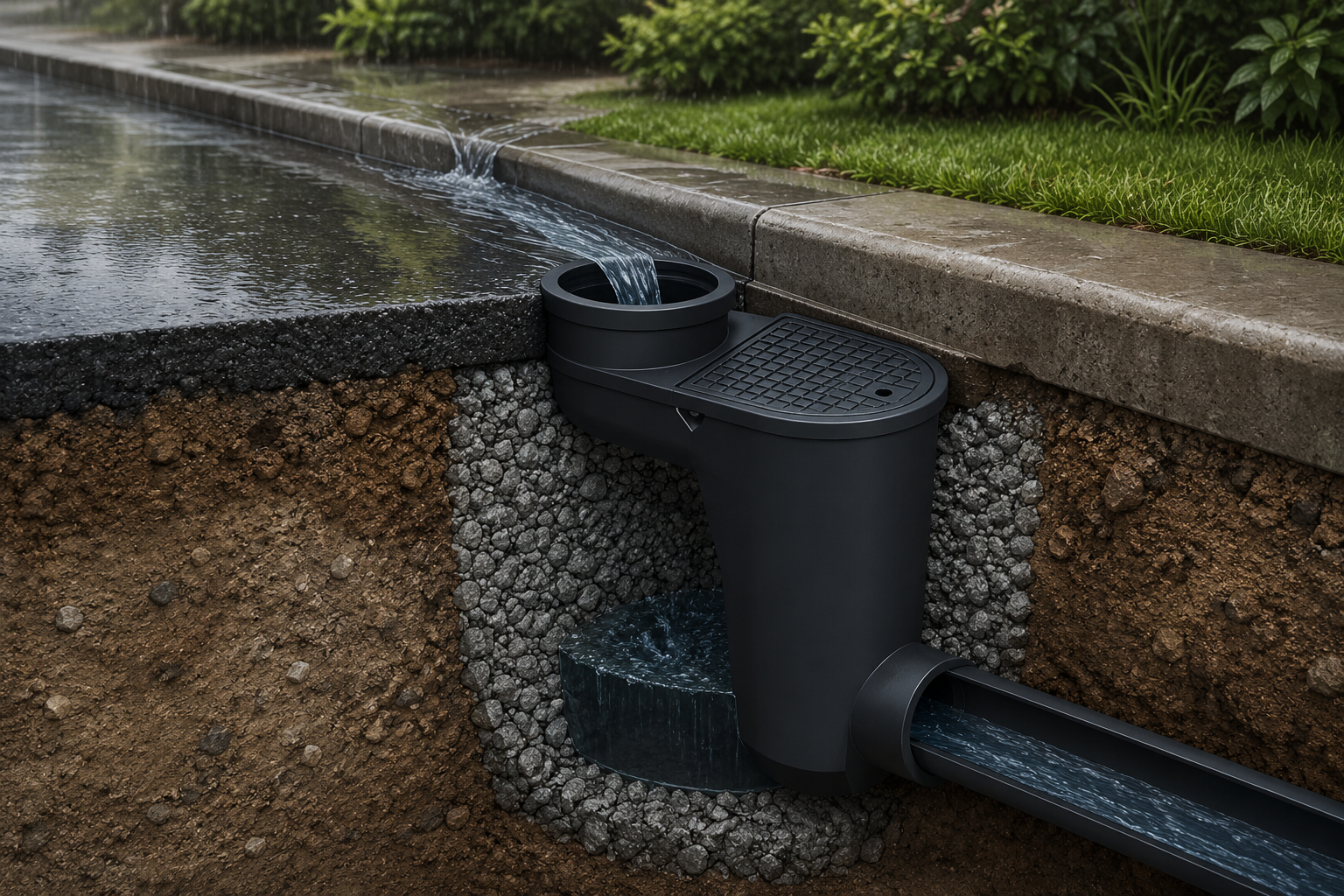
Gajgry (pronounced “guy-gree” or “guy-gry”) is a Czech/Central European term for a rainwater drainage gully or roof drainage trap. The term is used primarily in Czech Republic, Slovakia, and surrounding regions, though similar devices exist globally under different names.
Alternative Names and Terminology
International equivalents:
- English: Roof gully, rainwater gully, gutter trap, catch basin, yard gully
- German: Dachrinnenablauf, Dachabfluss
- Polish: Wpust dachowy
- Slovak: Odvodňovacia žľab
- Dutch: Dakgoot afvoer
The variety of names reflects regional building code conventions and linguistic differences across Europe and North America.
Basic Definition
A gajgry is a physical transition device that:
- Connects above-ground gutter systems and downpipes
- Bridges the gap between surface drainage and underground drainage pipes
- Filters debris before water enters subsurface systems
- Prevents odors and pests from entering the building
- Provides maintenance access points for cleaning and inspection
Primary Functions and Purpose
Understanding what a gajgry does helps explain why it’s essential for building longevity and functionality.
1. Debris Filtration and Sediment Trapping
The problem it solves:
When rain flows down roof gutters and downpipes, it carries organic and inorganic debris:
- Leaves and twigs from nearby trees
- Moss and algae growth
- Roof granules from asphalt shingles
- Bird feathers and nesting materials
- Dust, sand, and soil particles
- Insect bodies and debris
How gajgry solves it:
- Contains an internal mesh basket or strainer that catches particles
- Water passes through the mesh while debris is trapped
- Prevents debris from entering underground drainage pipes where it would accumulate and cause blockages
- Without this filtration, costly and time-consuming pipe cleaning would be necessary frequently
Impact of debris accumulation:
- Blocked underground pipes cause water backups
- Backups lead to flooding in basements and crawl spaces
- Standing water causes mold growth and structural damage
- Sewage backup creates health hazards
- Pipe repairs require excavation and are extremely expensive
2. Odor Prevention and Pest Exclusion
The problem it solves:
Underground drainage systems contain:
- Decomposing organic matter
- Bacterial colonies
- Sewer gases (hydrogen sulfide, methane)
- Moisture-loving insects and rodents
These elements create foul odors and attract pests that want to enter buildings.
How gajgry solves it:
Mechanical Dry Flap:
- One-way flap that opens when water flows downward
- Closes when water pressure reverses
- Prevents gases and pests from traveling upward through the drainage system
- Operates mechanically without power requirements
Siphon/Wet Trap:
- Water seal that maintains standing water in the trap
- Standing water blocks gases and pests from rising
- Similar to the u-bend under your sink
- Requires periodic maintenance to ensure water seal is maintained
Pest and odor prevention value:
- Blocks rodents, insects, and other pests from entering buildings
- Prevents sewer gases from creating unpleasant outdoor odors
- Eliminates health hazards from pest infestation and toxic gases
- Maintains pleasant property environment
3. System Maintenance and Accessibility
The problem it solves:
Underground drainage pipes are difficult and expensive to access for cleaning and inspection. Once debris accumulates in pipes, professional excavation may be needed.
How gajgry solves it:
- Located at ground level, easily accessible without excavation
- Removable mesh basket allows quick debris removal
- Inspection points to visually assess drainage system condition
- Cleaning takes minutes rather than days
- Preventive maintenance prevents expensive emergency repairs
Maintenance value:
- Regular inspection catches problems early
- Quick cleaning prevents blockages
- Visual assessment identifies potential issues
- Saves thousands in emergency repairs and excavation costs
4. Water Flow Regulation
Modern gajgry designs include features that regulate water flow:
Overflow provisions:
- When water accumulates faster than the underground system can handle, overflow occurs
- Properly designed gajgry prevents water from accumulating and causing surface flooding
- Excess water is diverted away from foundations
Flow velocity control:
- Reduces water velocity, allowing sediment to settle
- Prevents scouring of underground pipes
- Protects structural elements from water damage
Types and Variations of Gajgry
Gajgry systems come in various configurations designed for different applications and building layouts.
Classification by Outlet Direction
Vertical Outlet (Bottom Outlet):
- Water exits downward into underground pipes below
- Most common configuration
- Ideal for systems where underground pipes are directly beneath the unit
- Simplest installation
- Best for most typical building configurations
Horizontal Outlet (Side Outlet):
- Water exits through the side of the unit
- Allows connection to underground pipes extending horizontally
- Necessary when underground pipes run parallel to the building
- Provides flexibility for complex drainage layouts
- Common in properties with sloped terrain
Combination outlets:
- Some modern designs feature both vertical and horizontal outlets
- Allows configuration flexibility based on specific property needs
Classification by Trap Type
Dry Flap Design:
- Mechanical one-way flap closes between water flows
- Opens when water pressure forces it downward
- Closes when water pressure ceases
- Advantages: Simple, no water maintenance required
- Disadvantages: May fail if debris prevents proper closing
Wet Trap (Siphon) Design:
- Maintains standing water seal in the trap
- Water creates a barrier preventing odors and pests
- Similar to household plumbing traps
- Advantages: Very effective odor prevention
- Disadvantages: Requires periodic water refill in dry periods
Hybrid Design:
- Combines mechanical flap with siphon trap
- Provides maximum protection against odors and pests
- Increasingly common in modern installations
- Most effective design for challenging environments
Classification by Size/Capacity
Small capacity (DN 110):
- Diameter: 110mm
- Handles typical residential roofs
- Single-family homes up to 200m² roof area
- Lower water flow requirements
Medium capacity (DN 125):
- Diameter: 125mm
- Accommodates larger residential or small commercial roofs
- Properties with 200-400m² roof area
- Moderate water flow requirements
Large capacity (DN 160+):
- Diameter: 160mm or larger
- Commercial buildings and large residential properties
- Roofs exceeding 400m² area
- High water flow requirements
Sizing calculation:
Proper sizing is based on:
- Total roof area draining to the gajgry
- Local rainfall intensity (varies by climate)
- Drainage system capacity
- Expected water flow rates
Undersized units cause water backup; oversized units are unnecessary and costly.
Classification by Material
Polypropylene (plastic):
- Most common modern material
- UV-stabilized formulations resist degradation from sunlight
- Chemical-resistant to groundwater and soil conditions
- Lightweight for easier installation
- Durable 30-50 year lifespan
- Cost-effective
- Less impacted by freeze-thaw cycles
- May become brittle in extreme cold climates
Cast Iron:
- Traditional material, still used in some applications
- Extremely durable (50+ year lifespan)
- Heavy, requiring more complex installation
- Susceptible to rust and corrosion over time
- More expensive than plastic
- Better suited for high-traffic areas where crushing is a concern
Concrete:
- Sometimes used for larger systems or custom installations
- Very durable but heavy
- Susceptible to cracking and water penetration
- More common in older European construction
- Rarely used in new construction
Material selection considerations:
- Climate and freeze-thaw cycles
- Soil chemistry (acidic or alkaline)
- Expected lifespan vs. building lifetime
- Installation complexity and cost
- Local building code requirements
- Maintenance requirements
How Gajgry Works: The Water Flow Process
Understanding the step-by-step water flow through a gajgry system clarifies its importance.
Step 1: Rainfall and Gutter Collection
- Rain falls on the roof
- Water flows to gutters positioned along roof edges
- Gutters direct water toward downpipes
- Downpipes channel water toward the gajgry
Step 2: Water Entry into Gajgry
- Water from downpipe enters the gajgry chamber
- The chamber is a containment vessel with specific dimensions
- Water collects in this chamber before flowing downward
Step 3: Sediment Settling and Filtration
- Water velocity slows as it enters the larger chamber
- Heavy particles (sand, gravel) settle to the bottom
- Mesh basket catches larger debris (leaves, twigs)
- Light debris may float on water surface
- Filtered water continues downward
Step 4: Odor Prevention
Dry Flap mechanism:
- Water pressure pushes the mechanical flap open
- Water flows under the flap into the outlet pipe
- When water flow stops, spring action closes the flap
- Closed flap blocks sewer gases from rising
Siphon mechanism:
- Standing water in the trap maintains a water seal
- This seal blocks gases and pests from rising
- Water must be present for effective sealing
Step 5: Water Discharge to Underground System
- Filtered, partially-settled water flows through the outlet
- Water enters underground drainage pipes
- Pipes direct water toward the main drainage system
- Water flows to treatment facilities or drainage fields depending on the system
Step 6: Continued Settling in Underground System
- Any remaining suspended sediment continues settling in underground pipes
- Properly sized systems allow settling without blockages
- Regular maintenance of the gajgry prevents underground sediment accumulation
Technical Specifications and Dimensions
Understanding technical specifications helps in selection, installation, and troubleshooting.
Standard Dimensions
DN 110 Systems:
- Internal diameter: 110mm (4.3 inches)
- External diameter: 125mm (4.9 inches)
- Typical depth: 400-600mm below ground level
- Weight (empty): 2-4 kg depending on material
- Weight (filled with water): 110+ liters
- Roof area capacity: Up to 200m²
DN 125 Systems:
- Internal diameter: 125mm (4.9 inches)
- External diameter: 140mm (5.5 inches)
- Typical depth: 450-650mm
- Weight (empty): 3-5 kg
- Weight (filled with water): 160+ liters
- Roof area capacity: 200-400m²
DN 160 Systems:
- Internal diameter: 160mm (6.3 inches)
- External diameter: 175mm (6.9 inches)
- Typical depth: 500-700mm
- Weight (empty): 5-8 kg
- Weight (filled with water): 250+ liters
- Roof area capacity: Over 400m²
Connection Requirements
Inlet connections (from downpipe):
- Must match downpipe diameter
- Typical downpipe sizes: 75mm, 80mm, 90mm, 100mm
- Adapters available for mismatched sizes
- Connection must be watertight to prevent leaking
Outlet connections (to underground pipes):
- Must match underground drainage pipe size
- Typical sizes: 110mm, 125mm, 160mm
- Some systems accommodate multiple outlet sizes
- Connection must be watertight and structurally sound
Access opening:
- Removable grate or cover providing access to mesh basket
- Typical dimensions: 300-400mm diameter
- Must be large enough for hand insertion and basket removal
- Should be easily removable without tools (or with minimal tools)
Water Capacity and Retention
Chamber volume:
- DN 110: Approximately 2-3 liters of water retained
- DN 125: Approximately 3-4 liters of water retained
- DN 160: Approximately 5-6 liters of water retained
Retention time:
- Water stays in chamber 2-5 minutes under normal flow
- Longer retention allows more sediment settling
- Retention time varies with flow rate and chamber design
Installation Considerations
Proper installation is crucial for optimal function and longevity.
Site Selection and Positioning
Optimal location:
- Positioned where downpipes naturally terminate
- Near building foundation is typical
- Should drain toward main drainage system or treatment area
- Accessibility for future maintenance
- Away from high-traffic areas if possible (protect from crushing)
- Level ground or slight slope toward drainage system
Avoiding problematic locations:
- Under trees (excessive leaf debris)
- In areas prone to standing water or flooding
- On steep slopes (difficult to access)
- In areas with poor soil drainage
- Under areas where vehicles will park
Depth and Grade Considerations
Burial depth:
- Typically 400-700mm below finished grade
- Must be below frost line in cold climates (varies by location: 400-2000mm depending on climate)
- Top opening (grate) should be flush with or slightly above finished grade
- Prevents water from pooling around the opening
Slope and grading:
- Slight slope (2-5%) toward the gajgry aids water flow
- Slope away from building foundation prevents water accumulation
- Ground should slope away to prevent water pooling around the unit
- Proper grading prevents surface water from entering through the grate
Installation Steps
1. Excavation:
- Dig a hole large enough for the gajgry unit
- Ensure bottom is level for proper sitting
- Hole should be slightly larger than the unit to allow for bedding
- Remove any rocks or debris from the base
2. Base Preparation:
- Create a 50-100mm sand or gravel base
- Ensures level seating and proper drainage beneath the unit
- Prevents water from pooling under the unit
- Allows settling without cracking
3. Unit Positioning:
- Place gajgry carefully in the prepared hole
- Ensure it’s level in all directions
- Align inlet and outlet connections properly
- Verify proper access opening positioning
4. Connection Installation:
- Connect inlet pipe from downpipe to inlet opening
- Connection must be secure and watertight
- Use appropriate adapters if sizes don’t match
- Secure connections to prevent movement
5. Outlet Pipe Connection:
- Connect outlet to underground drainage system
- Use appropriate pipe coupling and sealing methods
- Ensure watertight connection
- Support outlet pipe to prevent stress on the gajgry
6. Backfilling:
- Backfill around the unit with proper material
- Use sand or sand-gravel mixture initially
- Avoid large rocks that might damage the unit
- Compact soil in layers to prevent settling
- Leave area slightly mounded for proper drainage
7. Ground-Level Finishing:
- Position grate/cover flush with finished grade
- Ensure grate is level and stable
- Create proper slope away from the unit
- Finish landscaping or paving
Code Compliance
Building codes:
- Installation must comply with local building codes
- Most codes specify gajgry requirements for drainage systems
- Requirements vary by jurisdiction
- Professional installation typically ensures compliance
Permits and inspections:
- Many jurisdictions require permits for drainage installation
- Inspections verify proper installation before covering
- Documentation is important for property records
- Non-compliant installation may cause issues during property sales
Maintenance and Care
Regular maintenance prevents problems and extends the lifespan of your gajgry system.
Maintenance Schedule
Monthly or after heavy rain:
- Visually inspect the grate for debris accumulation
- Check that water is flowing properly
- Note any debris or blockages visible from above
- Empty visible debris from the grate opening
Quarterly (every 3 months):
- Remove and clean the mesh basket
- Rinse debris from the strainer
- Inspect the basket for cracks or damage
- Check the trap for standing water
- Verify the dry flap closes properly (if applicable)
Annually (spring and fall):
- Thorough inspection and cleaning
- Remove accumulated sediment from the chamber bottom
- Clean all surfaces inside the unit
- Test dry flap or check siphon seal
- Verify outlet pipe is clear
- Look for cracks or corrosion
After severe weather:
- Inspect for damage from flooding or heavy debris
- Check for sediment overload
- Verify proper functioning after stress
- Clean as needed
Cleaning Procedures
Equipment needed:
- Garden gloves (protection from contamination)
- Small hand shovel or scoop
- Mesh strainer or small bucket for debris
- Garden hose for rinsing
- Small brush for scrubbing (optional)
- Container for disposal of waste
Step-by-step cleaning:
- Carefully remove the access grate or cover
- Visually inspect the interior for debris and water levels
- Use a hand scoop to remove accumulated sediment from the bottom
- Lift out the mesh basket carefully
- Dispose of trapped debris in a trash container
- Rinse the basket with a garden hose to remove remaining particles
- Wipe down interior surfaces with a brush if needed
- Rinse the interior chamber with water
- Replace the clean mesh basket
- Ensure the basket sits properly without gaps
- Replace the grate or cover securely
- Check that water drains properly
Safety precautions:
- Wear gloves (contaminated water and debris present health risks)
- Avoid breathing fumes (decomposing organic matter produces gases)
- Never enter the gajgry or underground pipes
- Dispose of debris properly (trash or compost, depending on contents)
- Wash hands and tools thoroughly after cleaning
Inspection for Problems
Warning signs of malfunction:
- Water backing up or not draining properly
- Visible cracks in the unit
- Rust or corrosion (cast iron systems)
- Foul odors from the gajgry area
- Visible damage to the grate or cover
- Water pooling around the unit
- Rodent or pest activity near the unit
- Wet areas in the basement or crawl space (may indicate overflow)
When to call a professional:
- Underground pipes appear blocked (water not draining after cleaning)
- Visible cracks or structural damage
- Persistent odors despite cleaning
- Repeated pest problems
- Water backup into the building
- Major repairs needed
- Replacement necessary
Common Problems and Troubleshooting
Even with proper maintenance, issues can arise. Understanding common problems helps with troubleshooting.
Problem 1: Slow Drainage or Water Backup
Causes:
- Mesh basket clogged with debris
- Sediment accumulated in the chamber
- Outlet pipe blocked in underground system
- System undersized for water volume
- Damaged outlet pipe or coupling
Solutions:
- Clean the mesh basket thoroughly
- Remove sediment from the chamber bottom
- Flush the outlet with water to clear blockages
- Inspect outlet pipe for damage
- If underground system is blocked, professional help may be needed
- Consider system upgrade if chronically undersized
Problem 2: Foul Odors
Causes:
- Dry flap stuck or non-functional
- Siphon/trap seal broken or evaporated
- Decomposing debris in the chamber
- Cracks allowing sewer gas to escape
- Pest activity or dead animals
Solutions:
- Test and repair the dry flap mechanism
- If siphon seal lost, refill with water
- Clean accumulated debris thoroughly
- Inspect for visible cracks
- If cracks found, repair or replace the unit
- Pest control measures if infestation present
Problem 3: Pest Activity and Rodent Entry
Causes:
- Non-functional dry flap or trap
- Gaps around the grate or cover
- Open or damaged mesh basket
- Nearby pest populations
Solutions:
- Repair or replace the dry flap mechanism
- Seal gaps around the grate opening
- Verify the mesh basket has no holes
- Maintain the siphon seal with water
- Install screen mesh if pests are still entering
- Contact pest control for larger infestations
- Keep area clean to avoid attracting pests
Problem 4: Water Pooling Around the Unit
Causes:
- Poor grading or slope
- Inlet water flow exceeds drainage capacity
- Overflow during heavy rain
- Outlet blockage forcing overflow
- Unit settled or tilted
Solutions:
- Re-grade the surrounding area for proper drainage away from unit
- Check that outlet isn’t blocked
- Verify inlet and outlet connections are tight
- Consider system upgrade if truly oversized
- May require professional intervention for severe settling
Problem 5: Visible Cracks or Damage
Causes:
- Impact damage from heavy objects or vehicles
- Freeze-thaw cycles causing expansion-contraction stress
- Ground settling or movement
- Age and material degradation
- Manufacturing defects
Solutions:
- Small cracks: Attempt repair with appropriate sealant (consult manufacturer)
- Major cracks: Unit replacement necessary
- Prevent future damage by protecting from heavy loads
- In cold climates, ensure proper installation below frost line
- Monitor settled units for worsening
Problem 6: Loss of Siphon Seal (Wet Trap Systems)
Causes:
- Extended dry period with no water flowing
- Evaporation in hot, dry climate
- Outlet siphon trap damaged or leaking
- Water level too low initially
Solutions:
- Manually refill with water through the access opening
- Use a hose to add water until proper level is reached
- In dry climates, may require refilling 1-2 times yearly
- Inspect for leaks if seal keeps being lost
- Consider dry flap alternative in very dry climates
Regional Variations and Naming
The term “gajgry” and its various names reflect regional building practices and linguistic differences.
Central European Usage
Czech Republic:
- Term: Gajgr or Gajgry (plural)
- Very common terminology in building codes
- Widely understood by construction professionals
- Standard building code requirements specify gajgry installation
Slovakia:
- Similar terminology and building code requirements
- Known as “odvodňovacia žľab”
- Similar function and design to Czech standards
Poland:
- Known as “Wpust dachowy” (roof gully)
- Building codes require similar systems
- Some regional variation in design standards
Western European Usage
Germany:
- Known as “Dachrinnenablauf” or “Dachabfluss”
- Well-established building code requirements
- Modern building practices require similar systems
- DIN standards (German building standards) specify requirements
Austria:
- Similar terminology and requirements to Germany
- Well-established in building standards
- High standards for drainage system design
English-Speaking Regions
United Kingdom:
- Known as “roof gully” or “gutter trap”
- Building Regulations specify requirements
- Less commonly a separate unit (often integrated into downpipe design)
- May be part of combined inlet/outlet system
United States:
- Rarely referred to as gajgry
- Known as “catch basin,” “yard gully,” or “roof drain”
- Similar function but often different design
- Regional variation in building code requirements
- More commonly integrated into gutters or downpipes
Canada:
- Similar terminology and practices to United States
- National Building Code specifies requirements
- Regional variations based on provincial codes
- Climate considerations important (freeze-thaw cycles)
Australia and Other Regions
Australia:
- Similar function typically addressed through gutter systems
- May not be a separate unit in some climates
- Building standards may not specifically require separate gajgry
- Focus on managing water flow through gutters and pipes
Cost Considerations
Understanding costs helps in budgeting for installation or replacement.
Unit Costs
Plastic (polypropylene) units:
- DN 110: $30-60 USD (€25-50)
- DN 125: $50-100 USD (€40-80)
- DN 160: $80-150 USD (€65-120)
- Varies by region, retailer, and specific features
Cast iron units:
- DN 110: $100-200 USD (€80-160)
- DN 125: $150-300 USD (€120-240)
- DN 160: $250-500 USD (€200-400)
- Significantly more expensive than plastic
Custom or specialty units:
- $200-1000+ USD depending on specifications
- Rarely needed for residential applications
Installation Costs
Professional installation:
- Labor: $200-500 USD (€160-400) typical for residential
- Includes excavation, installation, backfilling, finishing
- May be higher in areas with high labor costs
- May be lower in rural areas with lower labor rates
DIY installation:
- Material costs for excavation: Varies
- No labor costs if doing yourself
- Requires proper equipment and knowledge
- Risk of improper installation requiring correction
Total installed cost:
- Typical residential installation: $300-700 USD (€250-600)
- Complex installations may cost more
- Replacement of existing system similar cost range
Long-Term Cost Analysis
Preventive maintenance:
- Annual inspection and cleaning: Often DIY (minimal cost)
- Professional cleaning service: $100-200 USD if needed
- Preventive maintenance prevents costly repairs
Repair costs:
- Minor repairs (cleaning, flap adjustment): $0-200 USD
- Major repairs or replacement: $500-1500+ USD
- Prevention through maintenance saves money
Avoided costs:
- Preventing basement flooding: Potential savings of thousands
- Avoiding underground pipe excavation: Savings of $5,000-20,000+
- Prevention of mold remediation: Savings of $1,000-10,000+
- Value of proper drainage system exceeds installation cost many times over
Frequently Asked Questions (FAQs)
What is the difference between gajgry and a catch basin?
A gajgry is essentially a specific type of catch basin designed specifically for roof drainage. Catch basins are broader terms for any drainage device that collects water and filters debris. Gajgry specifically serves as the transition between surface gutters and underground drainage, while catch basins may handle surface water from yards, driveways, or streets.
How often should gajgry be cleaned?
For most properties, quarterly (every 3 months) cleaning is recommended, with more frequent cleaning if debris accumulation is heavy (properties with nearby trees). Monthly inspection after heavy rain helps identify when cleaning is needed. Annual thorough cleaning is the minimum for properties in dry areas with light debris load.
Can I install gajgry myself, or do I need a professional?
DIY installation is possible for those with basic construction skills and knowledge of local building codes. However, professional installation ensures compliance with codes, proper connections, correct depth and grading, and proper backfilling. Professional installation also provides recourse if problems develop. For renters or those unfamiliar with construction, professional installation is recommended.
What happens if my gajgry gets blocked?
If the mesh basket becomes blocked, water will back up in the gutter system, potentially overflowing onto the building exterior. If the outlet pipe becomes blocked, water will back up into the gajgry and eventually overflow. Either situation requires cleaning or professional intervention. Untreated blockages can lead to basement flooding, foundation damage, and mold growth.
Is gajgry maintenance expensive?
No. Regular maintenance typically consists of DIY cleaning (minimal cost). Professional cleaning service if needed might be $100-200 annually. This preventive maintenance costs far less than emergency repairs (potentially $5,000-20,000+) that result from neglected systems.
What size gajgry do I need?
Size depends on the roof area draining to the unit and local rainfall intensity. General guidelines: up to 200m² roof = DN 110; 200-400m² = DN 125; over 400m² = DN 160. A drainage professional can calculate precise sizing based on your specific property and local rainfall data.
Can I use gajgry in a cold climate with freeze-thaw cycles?
Yes, gajgry works in cold climates. Key considerations: must be installed below the frost line (depth varies by climate), UV-stabilized plastic or cast iron are preferred materials, and adequate drainage prevents standing water that might freeze and cause damage. Professional installation appropriate for your climate is important.
How do I know if my gajgry isn’t working properly?
Signs include: slow drainage or water backup, visible water pooling around the unit after rain, foul odors from the drainage area, visible cracks or damage, pest activity near the unit, or water in the basement despite proper gutters. Any of these signs warrant inspection and cleaning.
What’s the difference between a dry flap and a siphon trap?
A dry flap is a mechanical one-way valve that opens when water flows and closes when flow stops, preventing odor and pests. A siphon trap maintains standing water that acts as a barrier against odors and pests. Both work well; dry flaps require no water maintenance, while siphons may need occasional refilling in very dry climates.
How long does a gajgry last?
Plastic units typically last 30-50 years, while cast iron units may last 50+ years. Lifespan depends on material quality, installation depth (proper frost line placement), soil chemistry, maintenance, and climate conditions. Proper installation and regular maintenance extend lifespan significantly.
Conclusion
While gajgry may seem like an obscure technical term, this simple but effective component plays a crucial role in protecting properties from water damage, maintaining healthy drainage systems, and preventing costly repairs. Whether you call it a gajgry, roof gully, catch basin, or yard drain, this transition device between surface gutters and underground drainage systems is an essential part of modern building infrastructure.
Understanding what a gajgry is, how it functions, and how to maintain it empowers property owners to protect their investments. Regular maintenance—simple cleaning and inspection requiring minimal time and cost—prevents expensive problems down the line. A properly functioning drainage system keeps basements dry, prevents foundation damage, avoids mold growth, and maintains property value.
If you’re dealing with drainage issues, installing a new system, or simply want to understand your property’s infrastructure better, remember that your gajgry (or equivalent drainage device) deserves attention. Regular inspection and seasonal cleaning ensure your drainage system operates optimally, protecting your property and investment for decades to come.
The small effort devoted to understanding and maintaining your gajgry system pays enormous dividends in property protection and peace of mind. Don’t neglect this critical but often-overlooked component of your home’s infrastructure.