Quick Info
| Detail | Information |
|---|---|
| Term Origin | Dutch Language |
| Direct Translation | Asbestos Tape / Asbestos Ribbon |
| Primary Meanings | Industrial Sealing Tape OR Modern Warning Tape |
| Historical Use | Heat insulation on pipes, boilers, machinery |
| Modern Use | Hazard warning tape for asbestos removal areas |
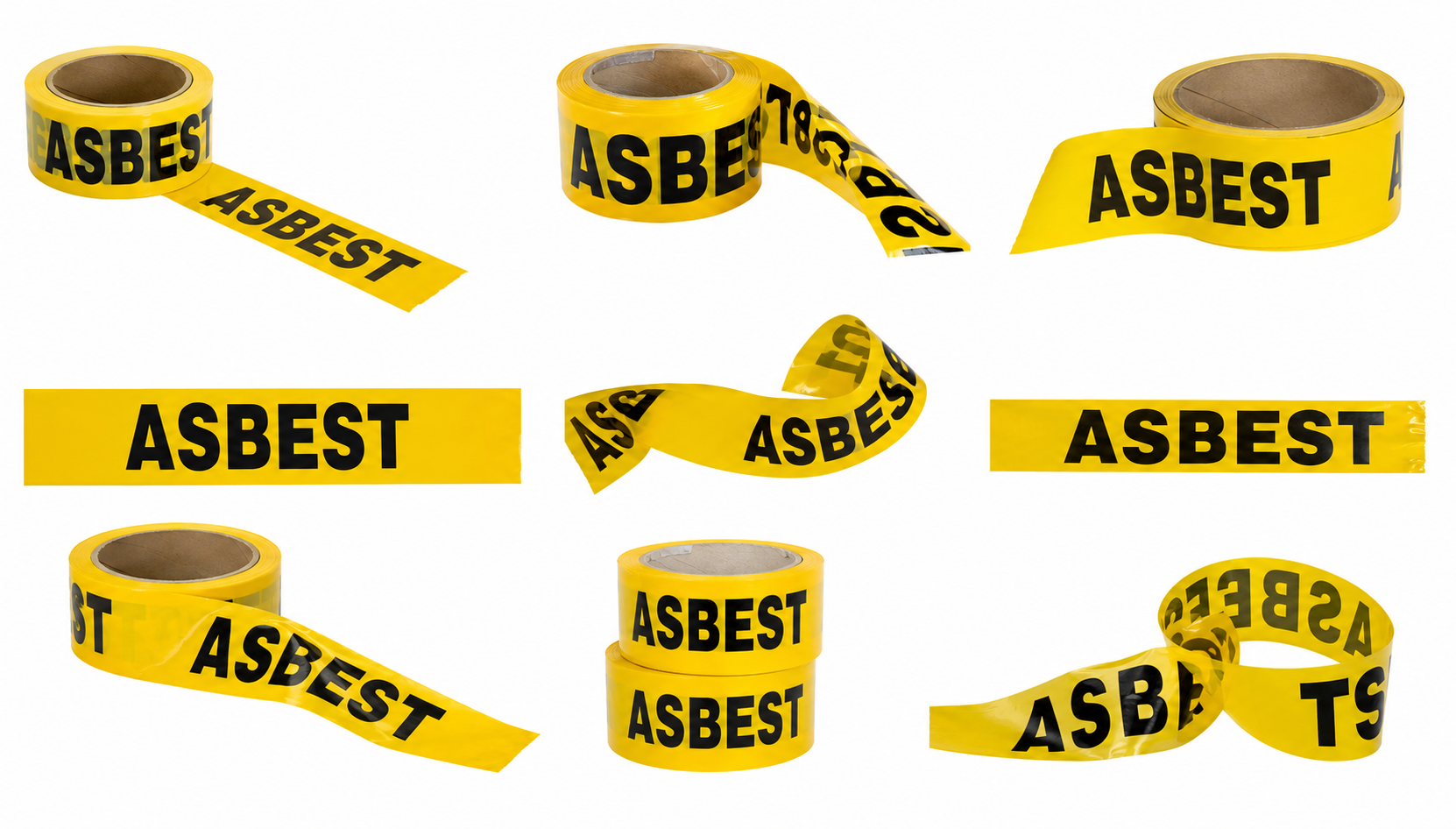
| Modern Appearance | Yellow polyethylene with black stripes |
| Modern Text | “LET OP: ASBEST” (Dutch: “Attention: Asbestos”) |
| Geographic Use | Netherlands, Belgium, and Northern Europe |
| Common Roll Sizes | 250 meters or 500 meters |
| Retailers | Asbestshop, Bol.com, Industrial suppliers |
| Health Hazard | Asbestosis, lung cancer, mesothelioma |
| Key Safety Rule | Never disturb or handle without professional |
| Detection Era | Buildings constructed pre-1990s most likely |
| Professional Required | Certified asbestos removal agencies |
What Is Asbestlint?
Understanding the Dual Meaning
Asbestlint is a Dutch term with two distinct meanings depending on context, time period, and application. The word combines “asbest” (asbestos) and “lint” (tape or ribbon), creating a term that can refer either to historical industrial asbestos-containing tape or to contemporary safety warning tape used in asbestos remediation. Understanding which meaning applies requires context about when the material was installed and whether it remains in use or has been identified for removal.
The dual meaning reflects the evolution of asbestos regulation and safety practices across decades. What was once a common industrial material became recognized as an extreme health hazard, requiring specialized warning systems and removal procedures. The term “asbestlint” thus encapsulates this historical transition, simultaneously referring to dangerous legacy materials and modern safety protocols for managing those dangers.
The importance of understanding asbestlint extends beyond mere linguistic curiosity. Recognizing asbestos-containing materials in buildings, understanding their hazards, and knowing proper safety protocols can be literally lifesaving. Many people in Northern Europe encounter asbestlint in older buildings without understanding its significance or dangers. Clear understanding of what asbestlint is and how to handle it safely represents crucial health and safety knowledge.
Geographic and Linguistic Context
The term “asbestlint” is primarily used in the Netherlands, Belgium, and other Dutch-speaking regions of Northern Europe. In English-speaking countries, the same materials would be referred to as “asbestos tape,” “asbestos ribbon,” or “asbestos insulation tape.” The Dutch terminology reflects the prevalence of asbestos materials in Northern European construction during the twentieth century and the subsequent regulatory environment addressing asbestos management.
The geographic concentration of the term reflects both historical industrial practices and contemporary regulatory frameworks. The Netherlands and Belgium, as densely populated industrial regions with extensive building stock from the twentieth century, contain substantial quantities of asbestos-containing materials in older structures. The specialized terminology and specific safety protocols reflect regulatory responses to this reality.
Understanding asbestlint requires some familiarity with Northern European building practices, regulatory history, and industrial standards. Buildings constructed in the Netherlands, Belgium, and surrounding regions between the 1950s and 1990s are particularly likely to contain asbestos-containing materials. Knowledge of asbestlint and proper handling procedures represents essential expertise for anyone working with or living in these buildings.
Historical Asbestos Tape: Industrial Application and Dangers
Origins and Historical Industrial Use
Asbestos tape was widely utilized throughout the twentieth century, particularly from the 1950s through the 1980s, as an industrial sealing and insulation material. The material’s widespread adoption reflected asbestos’s exceptional properties: high heat resistance, durability, low cost, ease of installation, and effectiveness as both insulation and sealant. From an industrial perspective before health consequences became widely recognized, asbestos tape represented an ideal solution for many sealing and insulation challenges.
The application of asbestos tape in industrial and construction settings was remarkably diverse. Workers wrapped asbestos-containing tape around pipes to provide heat insulation and prevent heat loss. The tape was applied to boilers, ovens, electrical wiring, and high-temperature machinery where heat management was critical. In many cases, asbestos tape was preferred because it could withstand extreme temperatures that would damage alternative materials. This versatility made asbestos tape ubiquitous in industrial facilities, power plants, shipyards, and any facility with high-temperature equipment.
The widespread adoption of asbestos tape reflected not merely technical performance but economic incentives. Asbestos materials were inexpensive compared to alternative solutions, and their durability meant they could remain installed for decades with minimal maintenance. Installation was straightforward, requiring minimal specialized training. These economic advantages, combined with generally unappreciated health hazards, made asbestos tape the default choice for numerous insulation and sealing applications throughout the mid-twentieth century.
Structural Applications and Building Integration
Beyond purely industrial equipment, asbestos tape found its way into building structures in numerous ways. In piping systems, asbestos tape sealed pipe joints, preventing leaks while providing insulation. In mechanical systems, it wrapped around ducts, boilers, and heating equipment. In electrical systems, despite asbestos’s properties as an excellent insulator, specialized asbestos tape sometimes insulated high-temperature electrical conduit and equipment.
The prevalence of asbestos-containing materials in building structures means that many buildings constructed during the twentieth century contain multiple forms of asbestos, often including asbestos tape. A single building might contain asbestos tape on pipes, in insulation around boilers, on heating ducts, and in various other locations. This widespread integration into building systems meant that comprehensive asbestos surveys often identify multiple asbestos-containing materials requiring specialized removal.
The distributed nature of asbestos tape throughout building systems created particular challenges for subsequent remediation. Unlike a single identifiable asbestos installation that can be removed in one operation, asbestos tape distributed throughout piping systems, ventilation networks, and equipment requires systematic identification and removal across entire building systems. This complexity increases remediation costs and extends removal timelines.
Health Hazards and Exposure Risks
The fundamental danger of asbestos-containing materials, including historical asbestos tape, derives from the material’s physical properties at microscopic scales. Asbestos consists of microscopic fibers—some so small they are invisible to the naked eye—that can become airborne when the material is disturbed, damaged, or deteriorates. When these microscopic fibers are inhaled into the lungs, they embed themselves in lung tissue and accumulate over time.
The health consequences of asbestos fiber inhalation are severe and well-documented. Asbestosis, a chronic lung disease causing lung tissue scarring and progressive respiratory decline, represents one consequence of asbestos exposure. Lung cancer, including both primary lung cancer and secondary complications from asbestos-damaged lungs, represents another serious outcome. Mesothelioma, a particularly aggressive cancer affecting the membrane surrounding lungs and other organs, is caused almost exclusively by asbestos exposure.
The latency period between asbestos exposure and disease development can extend decades, with some health consequences not manifesting until 20-50 years after exposure occurred. This extended latency means that people exposed to asbestos in the 1960s or 1970s may only develop serious health consequences in the 2000s or 2010s. This temporal separation between exposure and disease manifestation makes epidemiological causation clear but individual attribution difficult.
Deterioration and Fiber Release Mechanisms
Intact asbestos tape, while containing hazardous materials, does not necessarily pose immediate health risks if undisturbed. The danger increases substantially when tape deteriorates, frays, becomes damaged, or is disturbed. Age, temperature fluctuations, vibration from equipment operation, physical damage from maintenance work, or water exposure can all compromise tape integrity, causing the material to break apart and release fibers.
When asbestos tape frays or breaks apart, microscopic fibers become suspended in air, creating an invisible hazard. These airborne fibers can be inhaled by anyone in the vicinity without visible warning. Because the fibers are microscopic and invisible, exposure can occur without awareness. A person working near deteriorating asbestos tape for an extended period, or multiple people exposed to low-level fiber release over years, can accumulate significant asbestos fiber burdens in their lungs.
Water damage presents particular risk because it can cause asbestos-containing materials to deteriorate more rapidly. Moisture penetration causes the tape material to break down, releasing fibers more readily than dry material. Flooding, pipe breaks, or high-humidity environments can accelerate deterioration of asbestos tape, creating acute hazard periods where fiber release intensifies.
Modern Safety Warning Tape: Contemporary Applications
Transition from Industrial Material to Safety Tool
The shift from asbestos tape as an industrial material to asbestos-containing safety tape as a hazard warning tool reflects regulatory and safety evolution. As asbestos health hazards became scientifically established and legally recognized, regulations prohibited new asbestos installations. Simultaneously, the reality of buildings containing existing asbestos materials created need for clear hazard warning systems. Specialized warning tape emerged to mark asbestos-contaminated areas and restrict access during removal operations.
Modern asbestos warning tape serves a fundamentally different purpose than historical asbestos tape. Rather than providing insulation or sealing function, it communicates danger and restricts access. This shift from functional material to warning device represents regulatory and safety recognition that asbestos, once embraced for industrial properties, required containment and controlled removal rather than continued use.
The use of warning tape distinguishes between deliberately functioning asbestos-containing products and hazard marking. Modern warning tape is not intended for long-term functional use but rather as a temporary demarcation during the asbestos identification, containment, and removal process. Once removal is complete, the warning tape is removed along with the hazardous material it marked.
Appearance and Design Specifications
Modern asbestos warning tape, widely used in the Netherlands, Belgium, and other Northern European countries, has distinctive visual characteristics designed for maximum visibility and hazard communication. The tape typically features bright yellow polyethylene material with black stripes, creating a high-contrast pattern immediately recognizable as hazard warning. The bold visual design ensures visibility even in poor lighting conditions or to individuals with vision limitations.
The tape displays bold black text reading “LET OP: ASBEST” (Dutch for “Attention: Asbestos”) or equivalent warning text in the language of the country where it is used. This clear language-specific warning ensures that the hazard message is comprehensible to the population most likely to encounter the tape. The text size is sufficiently large for easy reading from distances, allowing individuals to recognize the hazard warning without approaching the tape closely.
The bright yellow and black striped pattern echoes international hazard warning standards and is readily recognized as indicating danger. This visual consistency creates intuitive understanding even for individuals unfamiliar with specific language or cultural contexts. The pattern and coloring are specifically designed to communicate hazard clearly and unambiguously to any observer.
Current Applications and Usage
Modern asbestos warning tape is used primarily by professional asbestos remediation companies, demolition contractors, and building maintenance professionals. When asbestos-containing materials are identified in buildings and removal or remediation operations commence, warning tape is deployed to restrict access to contaminated areas. The tape creates visible barriers communicating that the enclosed area contains hazardous asbestos materials and should not be entered without appropriate protective equipment and training.
The tape is particularly important in multi-occupant buildings, workplaces, and public facilities where multiple individuals might potentially access areas containing asbestos removal operations. Without clear warning tape, inadvertent exposure risks increase significantly. Workers, maintenance staff, or building occupants unfamiliar with asbestos hazards might enter remediation areas without understanding the danger.
Professional asbestos removal operations typically use warning tape extensively throughout the remediation process, creating clearly marked containment zones. The tape demarcates areas where asbestos removal is occurring, restricts access to unprotected individuals, and communicates the hazardous nature of the materials being removed. This systematic use of warning tape represents a critical component of safe asbestos remediation protocol.
Availability and Commercial Procurement
Modern asbestos warning tape is commercially available through multiple distribution channels, reflecting its standard role in industrial safety and remediation operations. Specialty retailers dedicated to asbestos-related products, such as Asbestshop, stock various warning tape products. Additionally, general industrial suppliers, including major online retailers like Bol.com in the Netherlands, carry asbestos warning tape alongside other safety and construction products.
The tape is typically sold in large rolls to accommodate extensive marking requirements of remediation operations. Standard roll sizes of 250 meters and 500 meters are common, reflecting the extensive distances of warning tape required when marking large contaminated areas. Professional contractors and remediation companies typically purchase tape in bulk to maintain adequate supply for ongoing operations.
The commercial availability of warning tape reflects its essential role in asbestos remediation infrastructure. The tape is not exotic or difficult to source; it represents standard safety equipment. This accessibility ensures that professional remediation operations can acquire necessary materials easily, supporting compliance with safety protocols and regulations.
Asbestos in Buildings: Identification and Location
High-Risk Building Characteristics
Buildings constructed between approximately 1950 and 1990 present the highest risk of containing asbestos-containing materials, including asbestos tape. This era represented asbestos’s period of maximum industrial use and integration into building systems. Buildings constructed before 1950 might contain asbestos materials but with lower probability, while buildings constructed after 1990 are unlikely to contain newly installed asbestos materials in developed nations where asbestos regulation became comprehensive.
The specific construction type and building purpose also influences asbestos likelihood. Industrial buildings, power plants, shipyards, hospitals, and large commercial buildings of this era are particularly likely to contain asbestos materials. Smaller residential buildings might contain asbestos-containing materials but with lower probability. Large institutional buildings with extensive mechanical systems are virtually certain to contain multiple asbestos-containing materials if constructed during the high-asbestos-use era.
The geographic location also influences likelihood. Northern European countries, including the Netherlands, Belgium, Germany, and surrounding regions, had significant industrial development during the asbestos-use period. Buildings in these regions are particularly likely to contain asbestos materials. Conversely, regions with less industrial development during this era might have lower asbestos prevalence.
Common Locations Within Buildings
Within buildings, asbestos tape historically appeared in several consistent locations reflecting its primary uses. Mechanical rooms containing boilers, heating equipment, and piping systems represent primary asbestos tape locations. The extensive piping systems in such rooms frequently featured asbestos tape wrapping for insulation and sealing. These systems might contain asbestos tape distributed across hundreds of meters of piping.
Pipe chases—dedicated spaces within building structure housing vertical pipe runs—frequently contain asbestos tape wrapping pipes throughout multiple building floors. This distributed asbestos presence means that remediation might require accessing multiple building levels and diverse locations. The complexity of identifying all asbestos-containing tape throughout such pipe systems can be substantial.
Electrical equipment rooms, ventilation systems, and ductwork represent additional common asbestos tape locations. Electrical equipment sometimes featured asbestos tape insulation, particularly in older installations. Ventilation systems might contain asbestos tape wrapping around ductwork for insulation. These diverse locations mean comprehensive asbestos surveys require systematic building examination.
Health Effects and Medical Consequences
Asbestos-Related Diseases and Health Impacts
The health consequences of asbestos exposure extend across a range of severity and specificity. Asbestosis represents the most direct occupational lung disease resulting from asbestos exposure, characterized by lung tissue scarring (fibrosis) that develops gradually and progressively worsens. Asbestosis typically develops after years or decades of exposure, with symptomatic decline occurring gradually as scarring accumulates.
Lung cancer represents another serious health consequence, with asbestos exposure increasing lung cancer risk substantially. Both primary lung cancers and cancers secondary to asbestos-damaged lungs occur in exposed populations. The increased cancer risk applies particularly to individuals with both asbestos exposure and smoking history, as these risks combine multiplicatively.
Mesothelioma, a particularly aggressive cancer affecting the membrane surrounding lungs (pleural mesothelioma) or abdominal organs (peritoneal mesothelioma), is associated almost exclusively with asbestos exposure. This rare but devastating cancer typically develops decades after exposure and carries poor prognosis due to late-stage diagnosis. Mesothelioma exposure risk applies even to individuals with relatively brief, low-level asbestos exposure.
Exposure Pathways and Risk Factors
Occupational exposure remains the primary pathway for asbestos-related disease. Workers who install, work with, or maintain asbestos-containing materials face substantially elevated exposure risks. Construction workers, insulation installers, pipe fitters, and maintenance workers in buildings with asbestos materials face particular occupational hazard.
Environmental exposure through deteriorating asbestos-containing building materials also represents significant risk. Individuals living or working in buildings with deteriorating asbestos materials experience chronic low-level exposure. This environmental exposure typically occurs at lower concentrations than occupational exposure but accumulates over years or decades of residence or employment in contaminated buildings.
Secondary exposure can occur when workers exposed to asbestos during their workday contact family members, exposing them to asbestos fibers brought home on clothing or equipment. This secondary exposure pathway can affect non-occupationally exposed family members of occupationally exposed workers.
Latency Period and Disease Development Timeline
The latency period between asbestos exposure and disease manifestation represents a particular challenge in asbestos health management. Asbestosis typically develops after 10-30 years of exposure, with symptoms potentially not appearing until 15-40 years after initial exposure. This extended latency means that individuals exposed as young workers might not develop asbestos-related disease until middle age or later.
Lung cancer risk increases measurably within 5-15 years after exposure begins but can develop at any point after exposure. Mesothelioma typically develops 10-50 years after exposure, with peak incidence occurring 30-40 years post-exposure. This extended timeline means that mesothelioma diagnoses frequently occur in individuals who were exposed decades earlier, complicating causation attribution despite clear epidemiological associations.
The extended latency creates a disconnect between exposure and disease manifestation that has significant personal, legal, and public health implications. Individuals exposed in the 1970s might only develop serious health consequences in the 2010s or 2020s. This separation in time makes individual exposure-disease linkage clear on epidemiological level but potentially obscure at personal experience level.
Safety Protocols and Proper Handling
What NOT to Do with Asbestos-Containing Materials
The fundamental rule for asbestos tape and other asbestos-containing materials is simple but critical: do not disturb or handle them without professional assistance. This prohibition extends across numerous common scenarios that untrained individuals might undertake without recognizing asbestos risks. Understanding what not to do represents the first and most important line of defense against asbestos exposure.
Never touch asbestos tape or attempt to remove it yourself. Even experienced professionals handling asbestos materials require specialized training, protective equipment, and containment protocols. Untrained individuals lack the knowledge to identify all asbestos-containing materials, recognize hazardous conditions, or employ protective measures preventing fiber release and exposure.
Never vacuum areas containing asbestos tape or debris. Standard vacuum cleaners lack the specialized filtration systems required for asbestos particles. Using standard vacuums on asbestos-containing materials actually worsens the situation by spreading fine fibers throughout the air and into building ventilation systems. This distribution creates broader, more extensive contamination than existed previously.
Professional Remediation Requirements
When asbestos-containing materials are identified, professional remediation represents the only appropriate response. Certified asbestos professionals have specialized training in identification, containment, removal, and disposal of asbestos-containing materials. They understand regulatory requirements, proper containment procedures, required personal protective equipment, and safe disposal protocols.
Professional asbestos assessment begins with certified professionals surveying buildings to identify asbestos-containing materials. This assessment typically includes samples of suspected materials for laboratory analysis confirming asbestos presence and characteristics. Only after confirmed identification can appropriate remediation strategies be developed.
Remediation operations involve multiple protective measures: containment barriers restricting fiber release, negative air pressure creating airflow toward removal areas rather than throughout buildings, specialized personal protective equipment for workers, and controlled removal and disposal procedures. These multiple protective layers ensure that remediation itself does not create broader contamination.
Regulatory and Compliance Framework
Throughout Northern Europe, asbestos management is governed by comprehensive regulations reflecting asbestos health hazards and regulatory recognition. The Netherlands and Belgium maintain specific regulations requiring identification, notification, and proper management of asbestos-containing materials in buildings. These regulations establish compliance requirements for building owners, occupants, and professionals handling asbestos-related activities.
Building owners have legal responsibilities regarding asbestos materials in their buildings. Regulations typically require that building owners maintain awareness of asbestos presence, maintain materials in safe condition, and arrange professional remediation when necessary. Failure to comply with asbestos regulations can result in significant fines and legal liability.
Professionals conducting asbestos work must maintain proper certification and licensing. Regulatory bodies certify asbestos professionals, ensuring they possess necessary training and qualifications. Using uncertified individuals for asbestos work typically violates regulations and increases health risks substantially.
Frequently Asked Questions
General Understanding Questions
Q: What exactly is asbestlint?
A: Asbestlint is a Dutch term translating to “asbestos tape” or “asbestos ribbon.” It refers to either historical asbestos-containing insulation tape used in industrial applications, or modern yellow-and-black safety warning tape used to mark asbestos contamination during removal operations. The meaning depends on context.
Q: Is asbestlint still used today?
A: Historical asbestos-containing tape is no longer installed in new construction due to asbestos regulations, but remains present in many older buildings. Modern asbestlint refers to safety warning tape, which is actively used as a hazard communication tool during asbestos remediation operations.
Q: Where is asbestlint used geographically?
A: The term “asbestlint” is primarily used in Dutch-speaking regions including the Netherlands, Belgium, and parts of Northern Europe. In English-speaking countries, the same materials would be called “asbestos tape” or similar terms. The concept applies globally wherever asbestos-containing materials exist in buildings.
Q: What buildings are most likely to contain asbestos tape?
A: Buildings constructed between approximately 1950 and 1990, particularly industrial, commercial, and institutional buildings with extensive mechanical systems, are most likely to contain asbestos-containing tape. Residential buildings are less likely to contain asbestos tape but might contain other asbestos-containing materials.
Q: How can I tell if tape in my building is asbestos?
A: Visual inspection cannot definitively identify asbestos-containing tape. Asbestos tape can appear similar to other insulation materials. Only laboratory analysis of samples can confirm asbestos presence. If you suspect asbestos in your building, contact certified asbestos professionals for assessment rather than attempting identification yourself.
Health and Safety Questions
Q: Is asbestos tape dangerous if not disturbed?
A: Intact, undisturbed asbestos tape presents lower acute risk than deteriorated tape, but the hazard remains. Deterioration, fraying, damage, or disturbance releases fibers. Additionally, occupants in buildings with asbestos-containing materials experience chronic low-level environmental exposure. Even undisturbed asbestos tape ultimately requires professional removal to eliminate hazard completely.
Q: What health effects can asbestos exposure cause?
A: Asbestos exposure causes asbestosis (chronic lung disease with progressive scarring), lung cancer, and mesothelioma (a rare but aggressive cancer of lung or abdominal membranes). These diseases typically develop 10-50 years after exposure, creating significant latency between exposure and health consequences.
Q: Can I get sick from brief exposure to asbestos tape?
A: While risk increases with exposure duration and intensity, even brief exposure to airborne asbestos fibers carries non-zero health risk. Some individuals develop asbestos-related disease after relatively limited exposure. The risk-benefit calculation for any asbestos exposure suggests minimizing exposure regardless of duration.
Q: How is asbestos exposure measured or monitored?
A: Occupational asbestos exposure is measured through air sampling that counts fiber concentrations in specific volumes of air. Medical monitoring of exposed individuals involves periodic health examinations and potentially imaging studies. However, routine clinical screening for asbestos exposure without symptoms is not typically recommended in most medical protocols.
Q: What should I do if I suspect asbestos exposure?
A: If you suspect asbestos exposure, consult healthcare providers experienced with occupational health. They can assess exposure history, conduct appropriate medical evaluation, and recommend monitoring. Document exposure circumstances and timeline for medical records. Consider consulting occupational health specialists who understand asbestos-related diseases.
Practical Management Questions
Q: What should I do if I find asbestos tape in my building?
A: Do not touch it or attempt removal yourself. Restrict access to the area if possible. Contact a certified asbestos professional to assess the material and recommend remediation. Document the location carefully to ensure it is not accidentally disturbed. Inform other building occupants or employees if appropriate without causing undue alarm.
Q: How much does asbestos tape removal cost?
A: Asbestos remediation costs vary dramatically based on the extent of asbestos contamination, location within the building, complexity of removal, required containment measures, and local labor rates. Professional assessment is required to provide cost estimates. Some remediation projects cost thousands of dollars; extensive projects might cost hundreds of thousands.
Q: Can I remove asbestos tape myself to save money?
A: No. DIY asbestos removal is illegal in most jurisdictions and extremely dangerous. Untrained individuals lack knowledge to contain fibers, protect themselves, and dispose of materials safely. The health risks vastly exceed any cost savings. Use only licensed, certified professionals for asbestos work.
Q: What protective equipment is needed around asbestos tape?
A: Standard work clothing and PPE are insufficient for asbestos work. Professionals use specialized respiratory protection (HEPA-filtered respirators or supplied air systems), full-body protective suits, and specialized decontamination protocols. Engineering controls like containment barriers and negative air pressure systems are as important as personal protective equipment.
Q: How long does asbestos tape removal take?
A: Project timelines vary dramatically based on extent and complexity. Minor remediation might take days; extensive projects spanning multiple building systems might take weeks or months. Additionally, building systems must sometimes remain offline during remediation, creating scheduling complexity in occupied buildings.
Q: What happens to asbestos tape after removal?
A: Removed asbestos-containing materials are treated as hazardous waste requiring specialized disposal. They are typically sealed in special containment and transported to licensed asbestos disposal facilities that handle hazardous materials according to regulatory requirements. Legal disposal prevents environmental contamination and exposure risk.
Regulatory and Legal Questions
Q: Am I legally required to remove asbestos tape from my building?
A: Regulations vary by jurisdiction, but most Northern European countries require that asbestos-containing materials be managed appropriately. This typically means maintaining materials in safe condition, identifying their presence, notifying occupants, and arranging removal when necessary. Specific requirements depend on local regulations.
Q: What are my legal obligations as a building owner regarding asbestos?
A: Building owners typically must maintain knowledge of asbestos-containing materials in their buildings, ensure they are maintained safely, notify occupants and workers of asbestos presence, and arrange professional removal when appropriate. Legal liability can result from failure to meet these obligations if occupants or workers are exposed to asbestos.
Q: Can I be held liable if someone is exposed to asbestos in my building?
A: Yes, building owners can face significant legal liability if occupants or workers are exposed to asbestos without appropriate warning and management. Additionally, employers in buildings with asbestos-containing materials have obligations to protect employees from exposure. Legal consequences can include substantial liability and penalties.
Q: What certifications do professional asbestos workers need?
A: Professional asbestos workers typically require specific certifications demonstrating training in asbestos identification, health hazards, safe removal procedures, and regulatory compliance. Certification requirements vary by jurisdiction but represent important indicators of professional competence. Only certified professionals should handle asbestos-containing materials.
Conclusion
Asbestlint, whether referring to historical asbestos-containing insulation tape or modern safety warning tape, represents an important health and safety consideration in Northern European building management and remediation. Understanding what asbestlint is, recognizing where it appears in buildings, understanding its hazards, and knowing proper management protocols represents crucial knowledge for building occupants, workers, and facility managers.
The historical use of asbestos tape throughout the twentieth century, while making logical sense from industrial and economic perspectives before health consequences were fully appreciated, created a legacy of contamination affecting buildings throughout Northern Europe and globally. The pervasiveness of asbestos-containing materials in buildings constructed during the peak asbestos-use era means that comprehensive assessment and potential remediation represents a necessary infrastructure management task.
The health consequences of asbestos exposure—asbestosis, lung cancer, and mesothelioma—represent serious, life-altering health outcomes that warrant careful management. The extended latency between exposure and disease manifestation means that individuals exposed decades ago may only develop health consequences in the present. This timeline challenges both individual and institutional efforts to connect exposure with subsequent disease.
The regulatory frameworks established across Northern Europe and globally to manage asbestos-containing materials reflect scientific understanding of asbestos hazards and commitment to protecting public health. These regulatory systems, while sometimes complex, represent necessary infrastructure protecting occupants and workers from asbestos exposure.
The most important principle for anyone encountering asbestos tape or suspecting its presence is straightforward: involve professional expertise. Do not attempt to identify, disturb, remove, or dispose of asbestos-containing materials without certified professionals. This fundamental rule—simple but critical—prevents the vast majority of asbestos exposure risks.
As buildings continue aging and asbestos-containing materials deteriorate further, comprehensive identification and professional remediation will increasingly become necessary. The legacy of historical asbestos use, while problematic, is manageable when approached systematically with professional expertise and appropriate resources. Understanding asbestlint and its implications represents an important component of safe building management in contemporary Northern Europe.